






















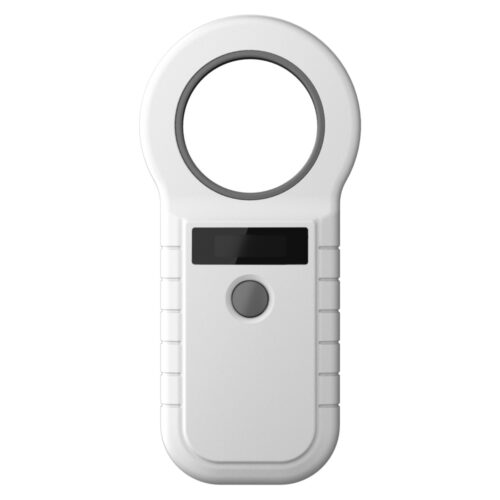
How to Choose a Microchip Scanner
Start with the microchip, not the scanner.
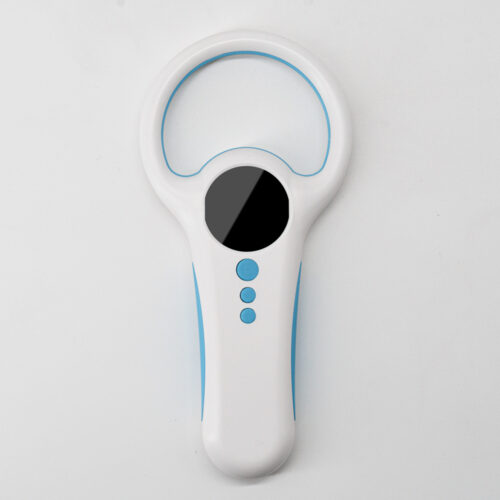
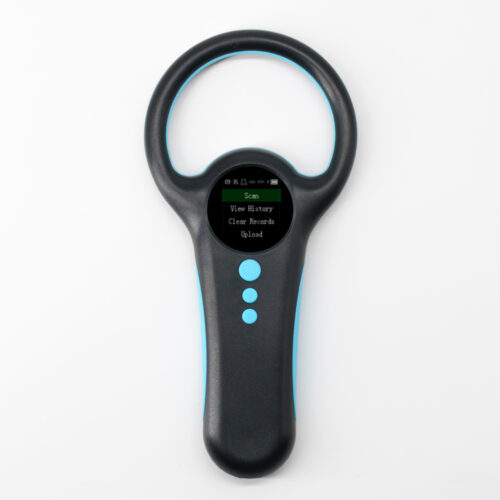
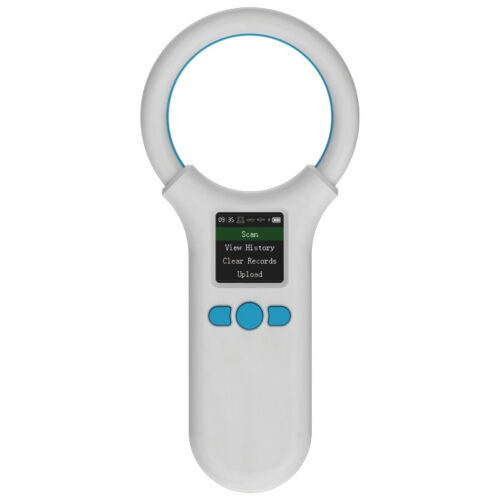
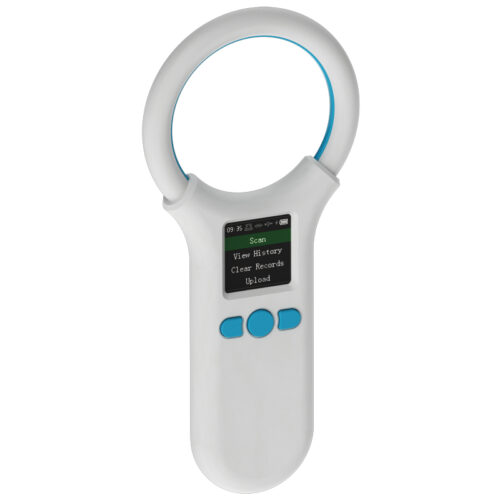
A reader must support both the frequency and the protocol used by the implanted transponder. Two scanners may look similar while supporting different chip technologies or data-handling functions.
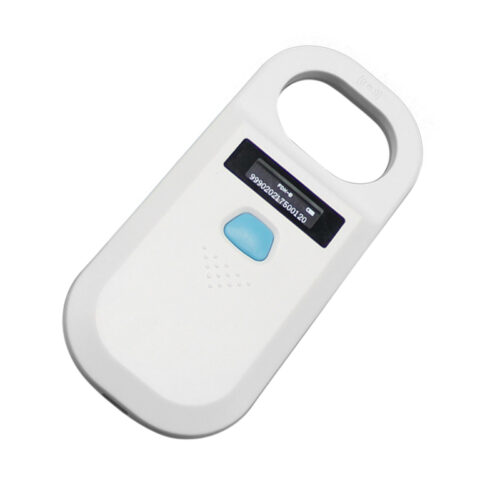
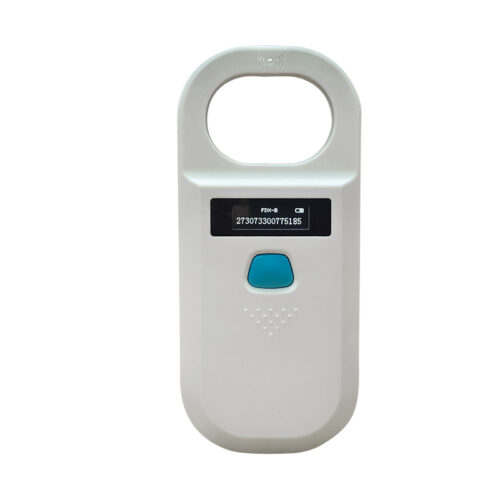
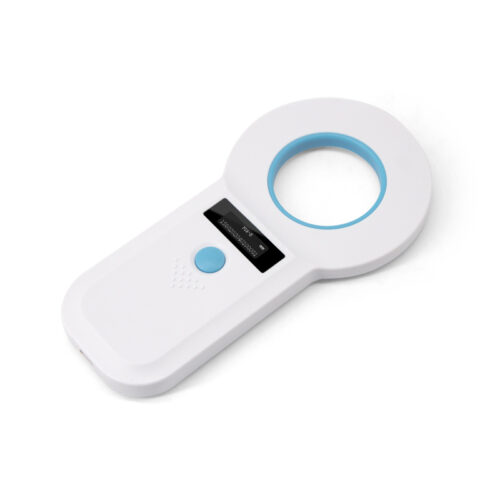
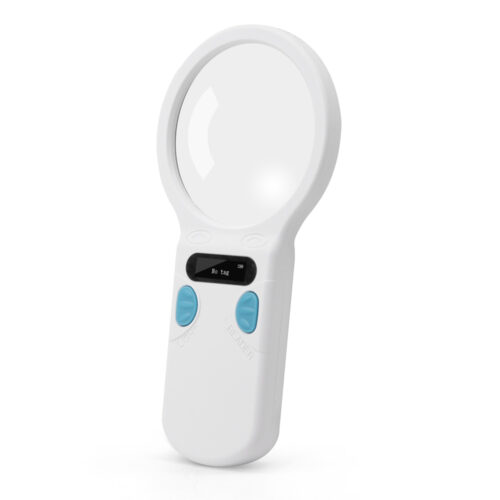
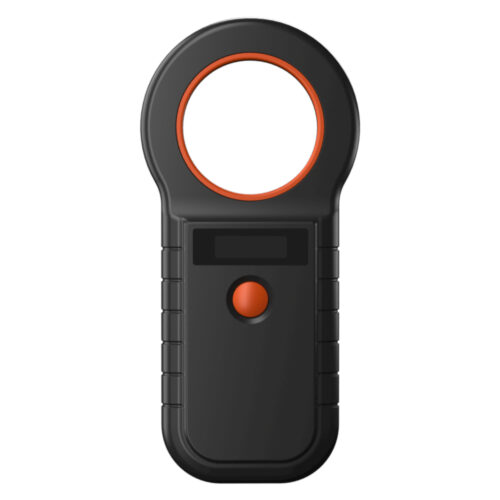
Our range includes scanners for:
- 125 kHz EMID
- 134.2 kHz FDX-B
For 134.2 kHz animal identification, FDX-B transponders are commonly associated with ISO 11784 and ISO 11785 animal identification systems.
The 125 kHz EMID format is a separate low-frequency technology and should not be treated as the same protocol.
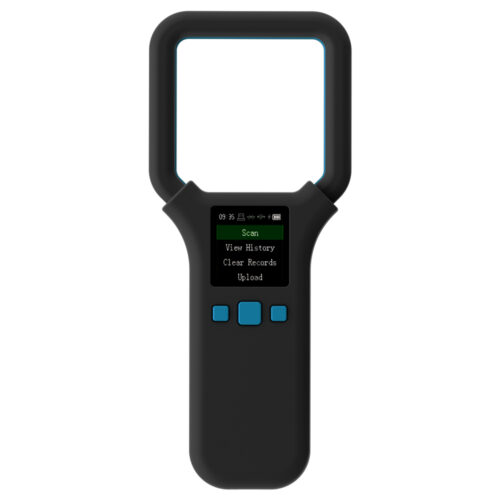
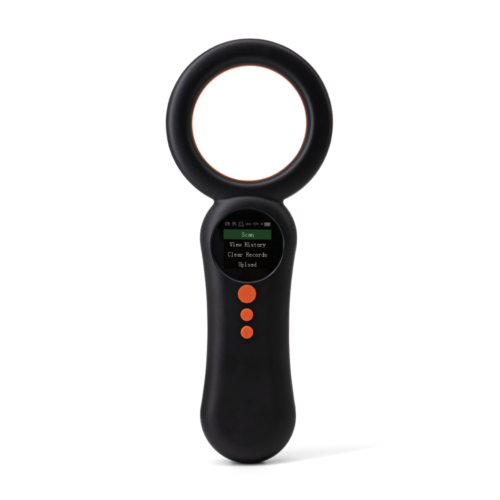
When comparing scanners, consider the following:
| Selection Factor | What to Check |
|---|---|
| Microchip compatibility | Confirm the chip frequency and protocol before selecting the reader |
| Scanning performance | Consider antenna design, chip orientation and expected working distance |
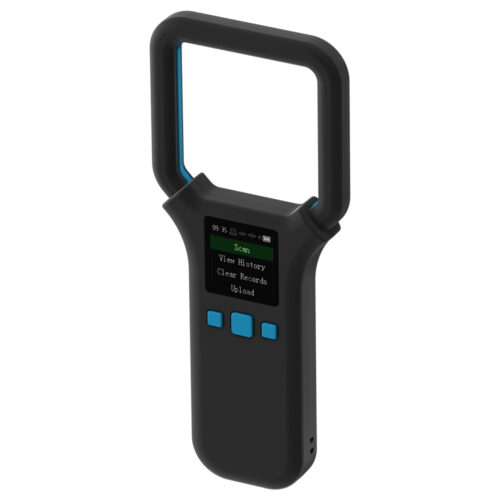
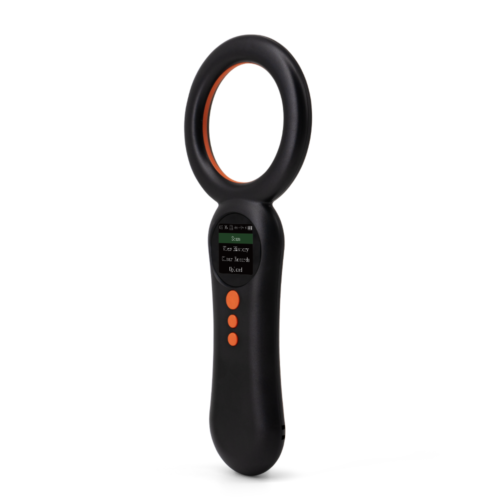
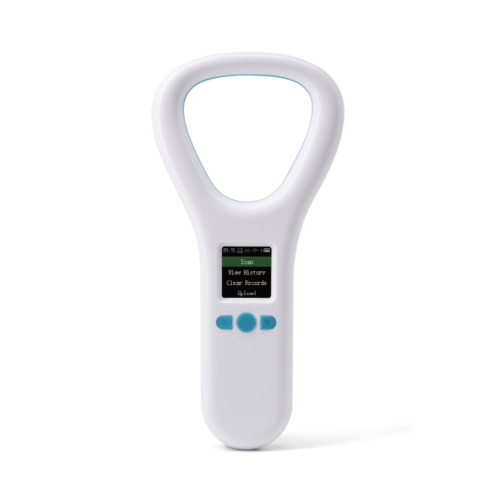
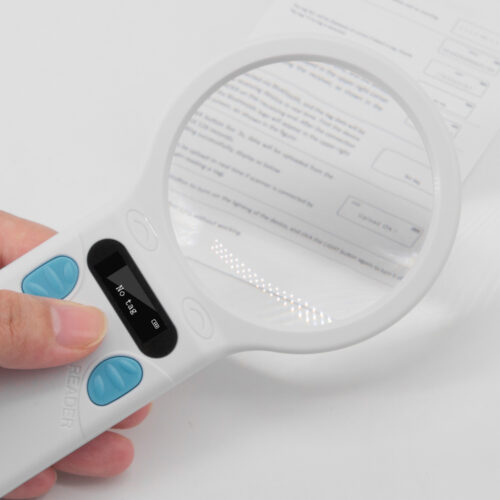
| Display | Check whether the screen is suitable for quick ID confirmation |
| Memory | Useful when multiple microchip numbers need to be stored before transfer |
| Connectivity | Choose USB, Bluetooth or wireless communication according to the workflow |
| Battery and portability | Important when the scanner is used away from a fixed workstation |
| System integration | Confirm how scanned IDs will be transferred to software or another device |
For projects using an existing microchip, testing the reader with the actual transponder is the safest way to confirm compatibility.
From Microchip Scan to Animal Record
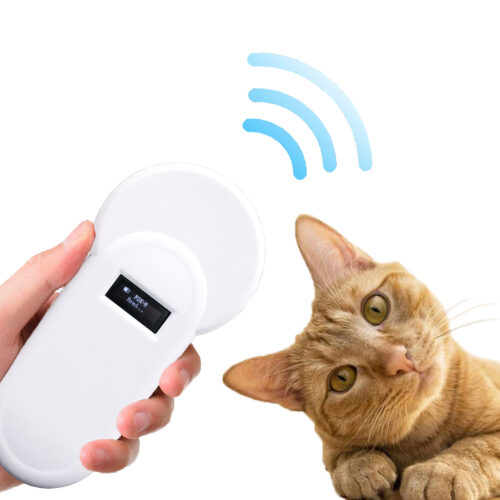
A microchip scanner retrieves the electronic identification number stored in a compatible transponder.
The scanner does not normally store information such as the animal's owner, vaccination history, medical records, or breeding data.
Instead, the microchip number acts as the identifier.
A typical workflow is:
Scan the animal → read the microchip ID → record or transfer the number → match the ID with the relevant database or management system
Some scanners are designed mainly to display the number immediately.
Others can save multiple IDs and transfer them later through USB, Bluetooth, or wireless communication.
This difference becomes more important when many animals are processed in one session.
Where Microchip Scanners Are Used
Veterinary Clinics
Animal Shelters and Rescue Organizations
Breeders and Animal Management
Breeders can use electronic identification numbers to connect individual animals with breeding, ownership, movement, or internal management records.
Field Identification
What Affects Microchip Reading Performance?
Read distance is not determined by the scanner alone.
Actual performance can vary according to:
- microchip size;
- transponder antenna design;
- chip orientation;
- implantation depth;
- scanner antenna position;
- electrical or metal interference;
- the way the scanner is moved around the animal.
This is why a quoted maximum reading distance should not be treated as a guaranteed result for every chip.
For professional projects, compatibility testing with the intended transponder provides more useful information than comparing read-distance figures alone.