


Key Features
- Dual-frequency compatibility for supported 125 kHz and 134.2 kHz animal transponders
- Supports EMID and FDX-B identification formats
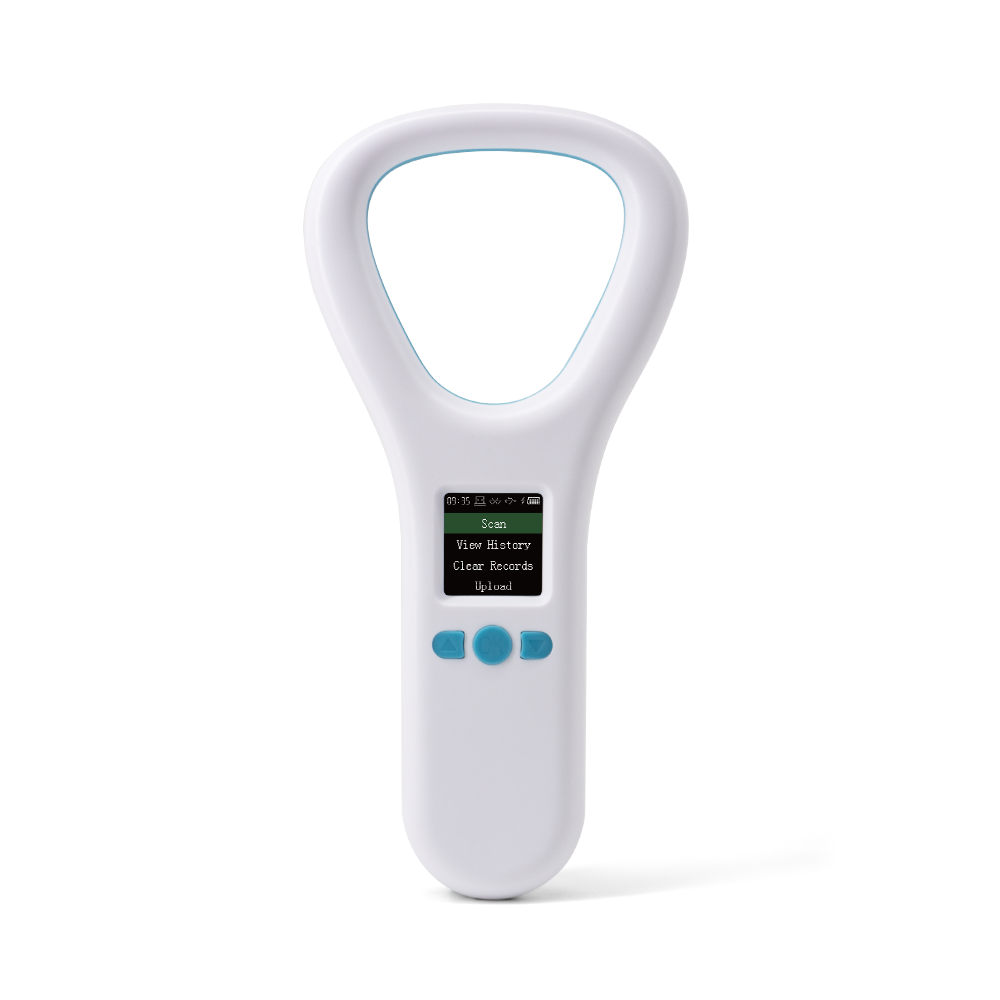
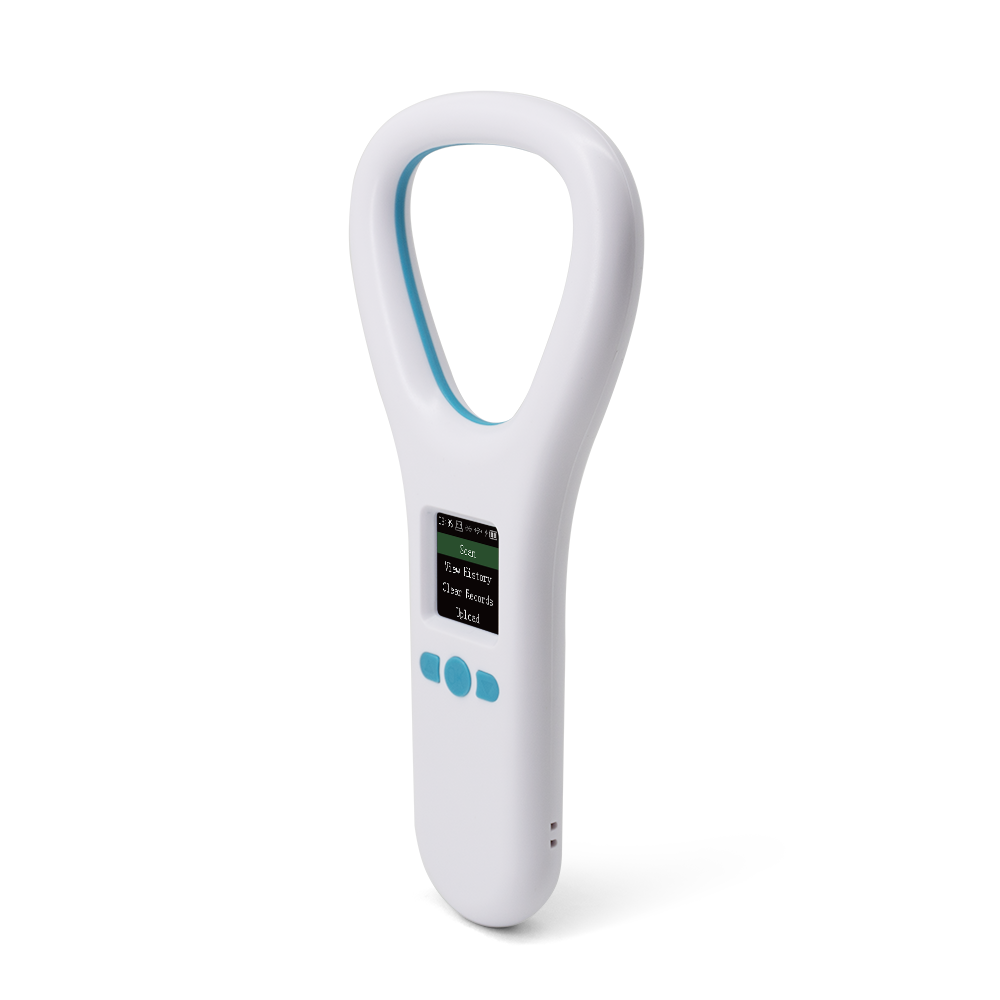
- 1.44-inch TFT display for viewing the scanned ID and device status
- Built-in memory for collecting multiple pet IDs before transfer
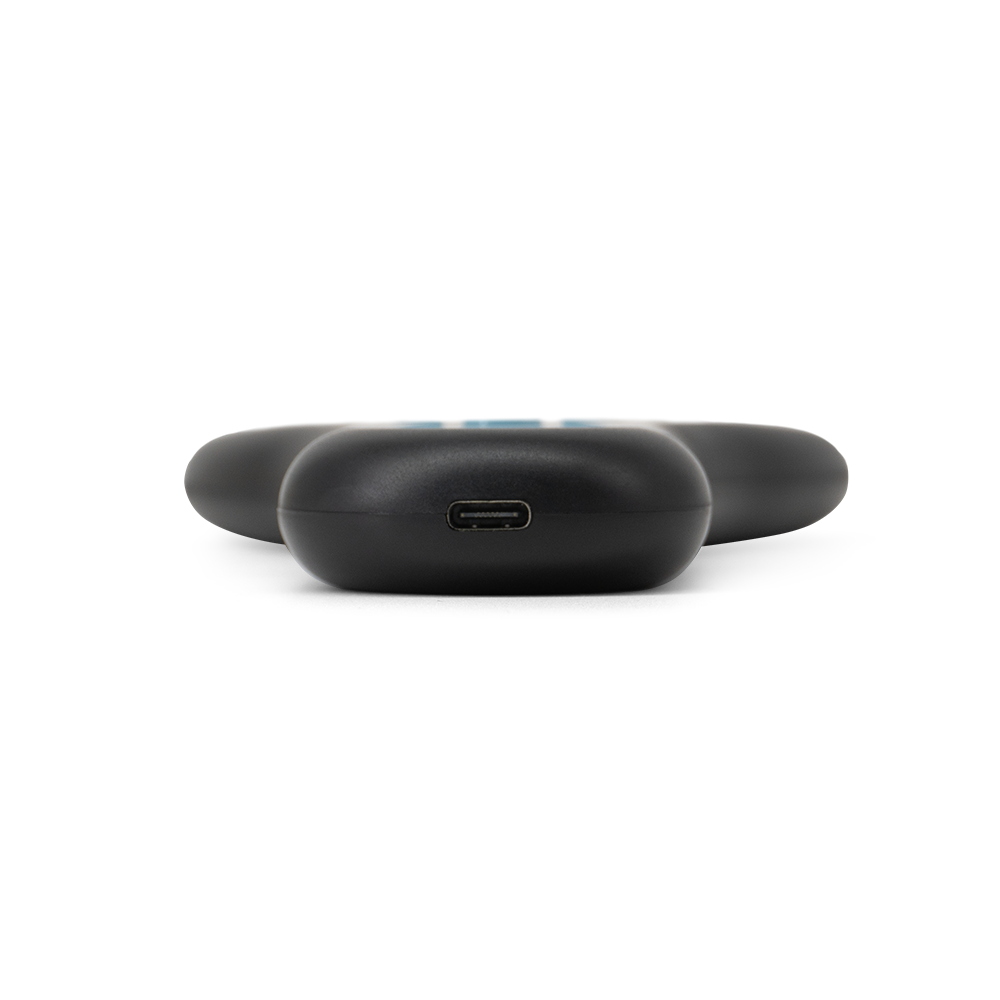
- USB 2.0, 2.4G wireless, and optional Bluetooth communication
- Read response below 100 ms under suitable conditions
- Built-in buzzer for scan confirmation
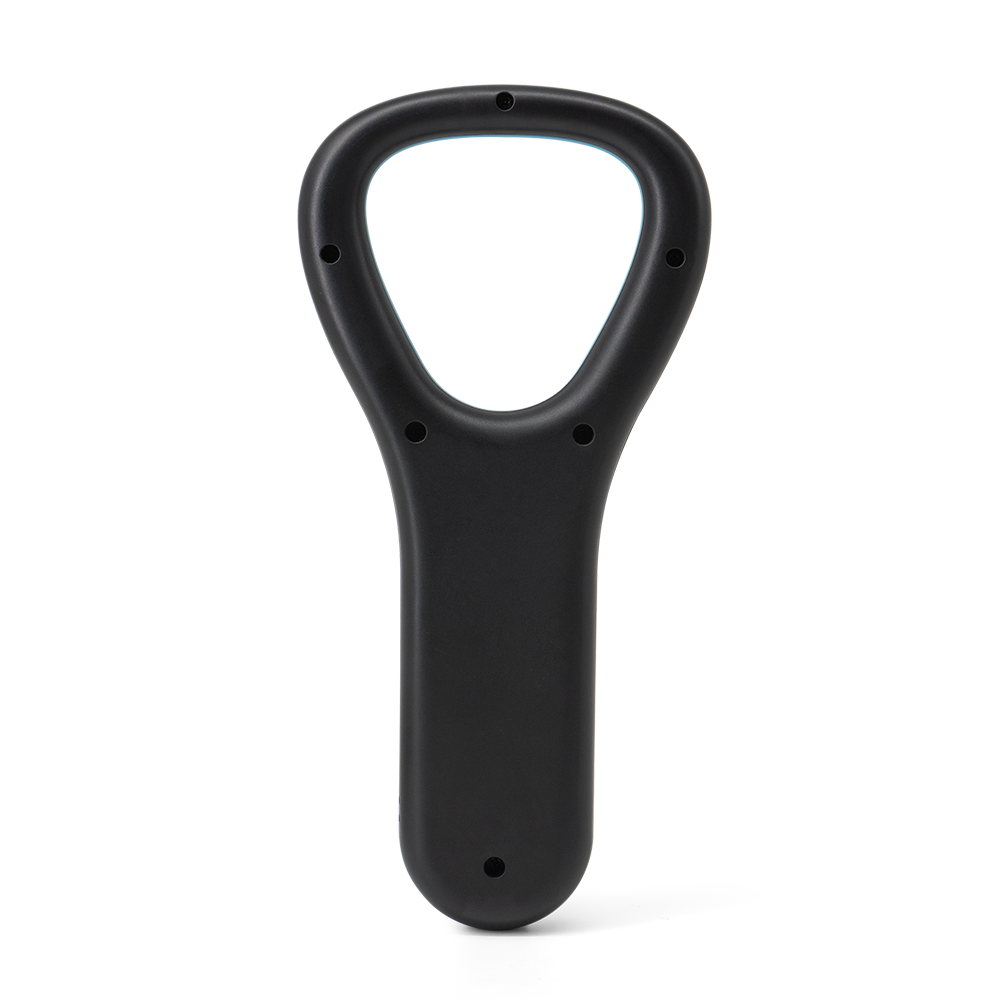
- Lightweight handheld design for clinic, shelter, and field use
Technical Specifications
| Feature | Specification |
|---|---|
| Model | JIA-91E |
| Product Type | Handheld Pet Microchip Scanner |
| Operating Frequency | 125 kHz / 134.2 kHz |
| Supported Protocols | EMID, FDX-B |
| Standard | ISO 11784 / ISO 11785 |
| Glass Transponder Read Distance | >8 cm with compatible 2–12 mm transponder |
| Animal Ear Tag Read Distance | >20 cm with compatible 30 mm ear tag |
| Read Time | <100 ms |
| Display | 1.44-inch TFT LCD |
| Signal Indication | TFT display and buzzer |
| Storage Capacity | 800 records |
| Communication | USB 2.0, 2.4G wireless, optional Bluetooth |
| 2.4G Wireless Distance | Up to 80 m in open-field conditions |
| Bluetooth Distance | Up to 20 m in open-field conditions |
| Power Supply | 3.7V, 800mAh rechargeable lithium battery |
| Dimensions | 206 × 100 × 19 mm |
| Net Weight | 85.4 g |
| Operating Temperature | -10°C to +50°C |
| Storage Temperature | -30°C to +70°C |
| Operating Humidity | 5%–95% non-condensing |
| Language | English; customization available |
Reading note: Actual microchip reading distance depends on transponder size, implantation depth, orientation, reader position, and the surrounding environment.
Wireless note: Wireless distance is measured under open-field conditions. Walls, equipment, and RF interference may reduce the actual communication range.
Pet Identification Applications
The JIA-91E can be used wherever a pet’s electronic identification number needs to be checked or recorded.
- Veterinary clinics – verify implanted microchip IDs during registration or examination.
- Animal shelters and rescues – scan incoming dogs, cats, and other pets for compatible identification.
- Breeders and kennels – associate individual animals with breeding or ownership records.
- Pet registration – retrieve the microchip number required for registration or record verification.
- Animal control – perform portable identification of compatible chipped animals.
The scanner retrieves the electronic ID stored in the transponder. Owner, medical, or registration information is normally stored in a separate database or management system.
Practical Scanning Tip
When an implanted microchip is not detected immediately, move the scanner slowly across the expected implant area and change the reader angle.
Implant depth and chip orientation can affect detection, so relying on a single scan position may reduce the chance of finding the transponder.
Pet Microchip Scanner FAQs
Can the JIA-91E read every pet microchip?
No. The confirmed supported formats are 125 kHz EMID and 134.2 kHz FDX-B.
Microchips using another frequency or protocol should be checked for compatibility before use.
Can scanned pet IDs be stored?
Yes. The reader can store up to 800 IDs for later transfer.
Does the scanner show the pet owner’s information?
No. It retrieves the microchip identification number. Owner and registration details must be checked through the relevant external database or management system.