



What Cow RFID Tags Do
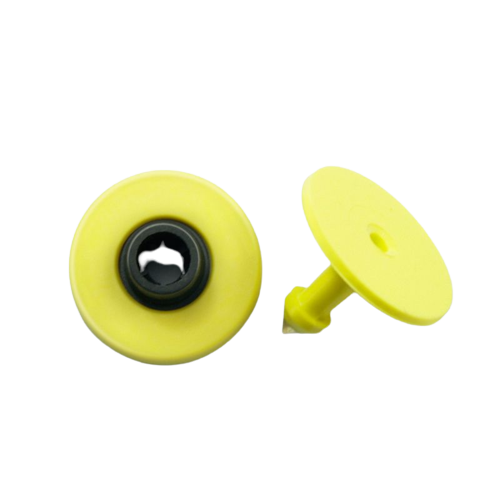
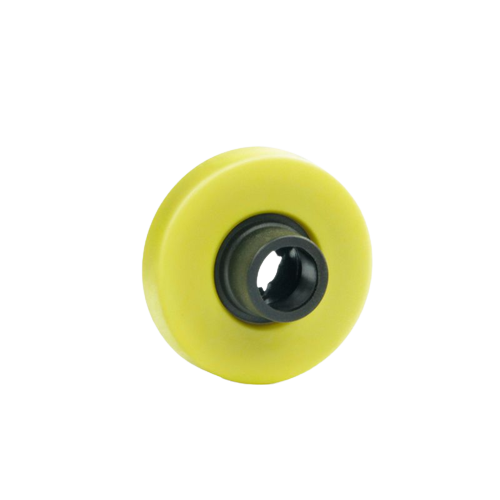
Cow RFID tags give each animal a unique digital ID stored on an RFID chip inside a TPU ear tag. Farmers scan the tag with a handheld reader to pull up health records, breeding data, vaccination history, and movement logs — no printed numbers to squint at, no handwriting to decipher.
These tags use LF technology — you scan one animal at a time with a handheld stick reader, which is exactly what most farmers need at a chute or headgate. The chip stores a unique ID that links straight to your herd management records. See the specifications table below for exact frequency, chip options, and read range.
Why These Tags Stay On
- >300N tensile strength: Pull-tested to stay locked through rubbing, scratching, and daily movement — higher than many standard tags
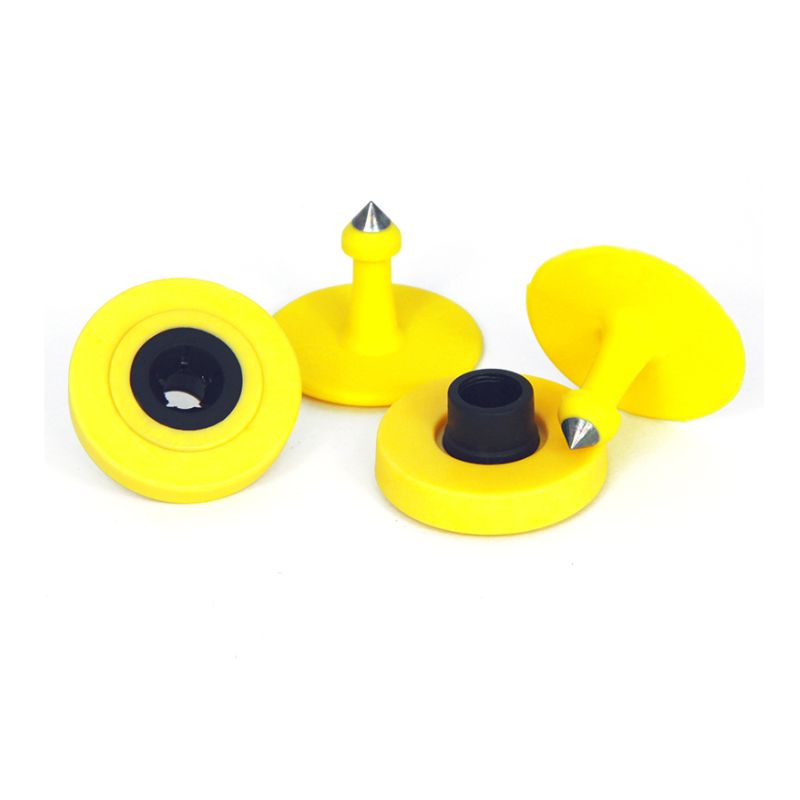
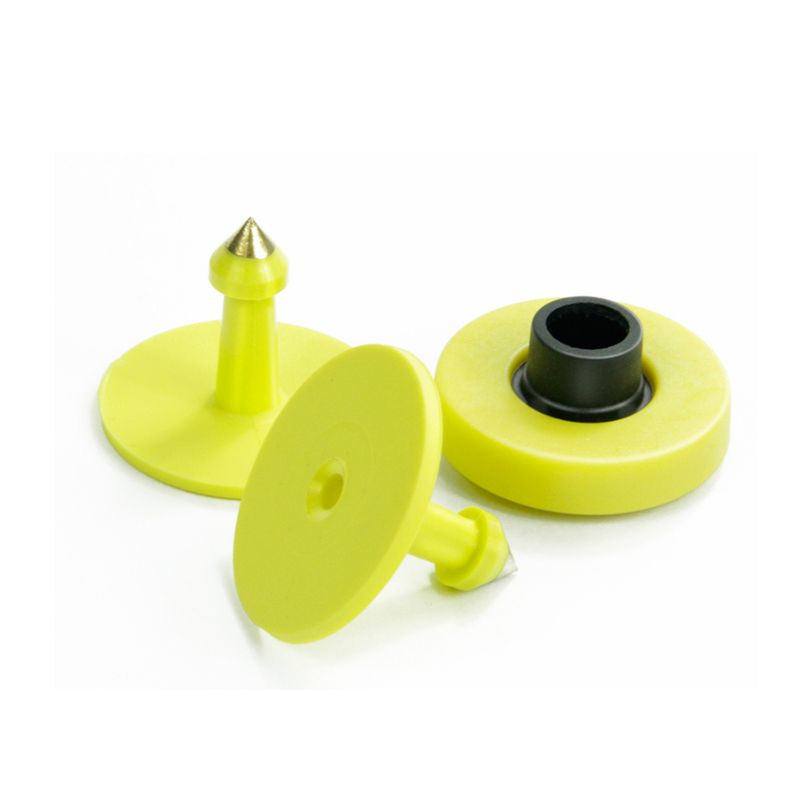
- Stainless steel reinforcement: Anti-slip washer inside the locking mechanism reduces tag loss in active herds
- IP68 sealed body: Fully waterproof and dustproof — survives pressure washing, mud, and heavy rain without chip damage
- TPU injection-molded construction: Flexible, non-toxic, and skin-safe for multi-year wear on cattle of all ages
- Two chip options: EM4305 (FDX-B) or SIC7999 (HDX) — pick the chip that matches your reader setup
- Laser-etched marking: Numbers, farm names, or logos permanently burned into the surface — no ink to wear off
- Three color choices: Yellow, red, or pink — sort by group, age, or treatment status at a glance
Cow RFID Tag Specifications
| Feature | Specification |
| Product Type | RFID Cattle Ear Tags (Male-Female Pair) |
| Material | TPU |
| Manufacturing Process | Injection Molding |
| Color Options | Yellow / Red / Pink |
| Female Tag Dimensions | 29 × 13 mm |
| Male Tag Dimensions | 29 × 23 mm |
| Female Tag Weight | ~6 g |
| Male Tag Weight | ~1.9 g |
| Tensile Strength | > 300 N |
| IP Rating | IP68 |
| Chip Options | EM4305 (FDX-B) / SIC7999 (HDX) |
| Frequency | 134.2 kHz |
| Protocol | ISO 11785 |
| Reading Distance | EM4305: ~50 cm / SIC7999: ~70 cm |
| Operating Temperature | -20°C to +65°C (no icing) |
| Application Temperature | -30°C to +75°C (no icing) |
| ID Marking | Laser-etched |
| Packaging | 100 pcs per bag (female + male paired) |
| Carton Size | 2000 sets per carton |
Applications for Cattle Operations
- Individual identification: Scan each cow at the chute to record treatments, weights, and breeding data
- Herd health management: Link each tag to vaccination records, disease history, and treatment schedules
- Breeding programs: Track parentage, AI dates, calving intervals, and calf performance
- Feedlot tracking: Monitor weight gain, pen moves, and feed conversion for groups or individuals
- Movement and traceability: Document transfers between pastures, farms, markets, and processing facilities
- Regulatory compliance: Maintain traceable records that satisfy national livestock identification requirements
- Dairy operations: Connect each cow to milk yield, health treatments, and breeding cycles
How to Apply Cow RFID Tags
- Match the tag with the correct applicator for this tag model.
- Restrain the cow in a chute, headgate, or squeeze.
- Place the female tag on the inside of the ear and the male button on the outside.
- Squeeze the applicator firmly to lock the two parts together.
- Scan the tag with your LF reader and record the ID in your herd management system.
Get Tags That Stay On
If you need cow RFID tags that give you reliable close-range scanning, permanent laser-etched IDs, and the strength to stay on through years of farm life, these LF tags are built for the job.
Request a quote today. Tell us your herd size, preferred chip (EM4305 or SIC7999), color choice, and numbering needs. We will configure the right tags and ship them fast.
Frequently Asked Questions
Q: What are cow RFID tags?
A: Cow RFID tags are ear tags with an embedded RFID chip that stores a unique digital number. Farmers scan them with an LF reader to identify cattle and link each animal to health, breeding, and movement records.
Q: What frequency do these tags use?
A: These tags operate at 134.2 kHz LF under ISO 11785. This is the standard frequency for livestock identification worldwide and works with most handheld stick readers.
Q: What is the difference between EM4305 and SIC7999?
A: EM4305 uses FDX-B protocol with a read range of about 50 cm. SIC7999 uses HDX protocol with a read range of about 70 cm. Both comply with ISO 11785. Choose the chip that matches your existing reader infrastructure.
Q: How far can these tags be read?
A: EM4305 tags read up to 50 cm with a standard LF stick reader. SIC7999 tags read up to 70 cm. Actual distance depends on reader power and environmental conditions.
Q: Are these tags waterproof?
A: Yes. The TPU body is rated IP68 — fully sealed against water and dust. Tags survive rain, mud, and high-pressure washing without damaging the chip or fading the laser etching.
Q: Will the laser-etched numbers fade?
A: No. Laser etching burns the number into the TPU surface. It resists dirt, water, UV exposure, and abrasion better than printed or handwritten markings.