






















Возможно, вы заметили, что у скота есть бирки для ушей желтого, красного, синего, зеленого или оранжевого цветов и задумывались, значат ли эти цвета что-то. Сначала цвета бирки для ушей скота могут казаться скрытым кодом. Как только вы поймете, как их используют фермеры, цвета начинают иметь гораздо больше смысла.
Что означают цвета бирок для ушей скота?
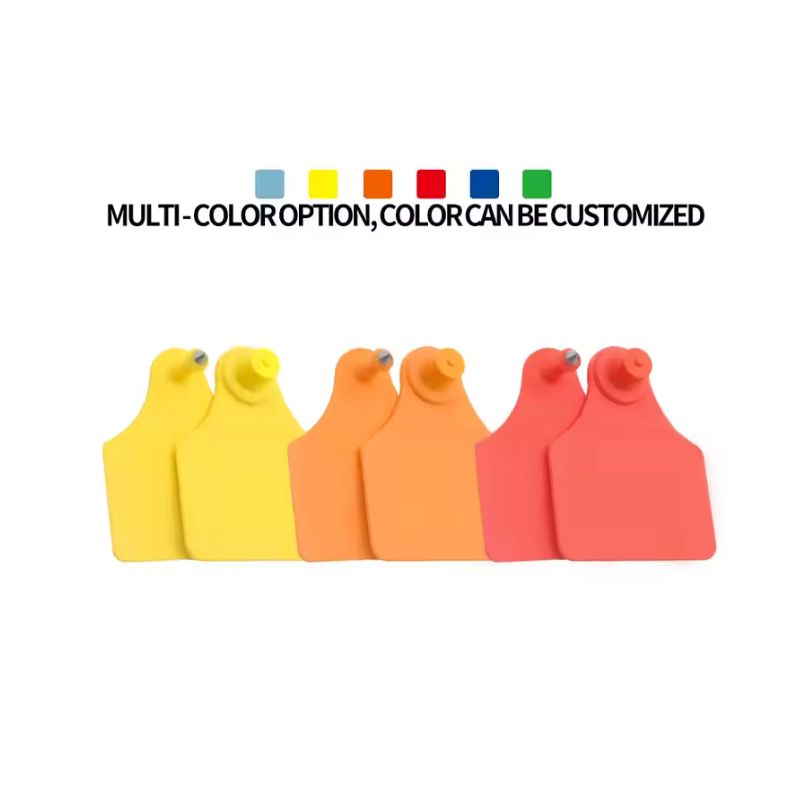
Цвета бирок для ушей скота не имеют одного фиксированного значения повсюду. Цвет означает то, что ферма использует его для обозначения.
На одной ферме синие бирки могут использоваться для бычков, а на другой ферме синий может обозначать группу пастбища, группу производителей или определенный год рождения. То же самое может происходить с желтым, зеленым, красным или любым другим цветом. Цвет становится полезным только тогда, когда он связан с четким правилом, которое понимает каждый на ферме.
Многие фермы используют цвета бирок для ушей скота, чтобы ускорить сортировку и проверку животных. Они могут использовать один цвет для телок, другой для бычков и другой для коров. Некоторые фермы меняют цвета бирок по годам отел рожденных телят, чтобы работники могли быстро определить, какие животные принадлежат к одной и той же возрастной группе. Другие используют цвет для разделения групп на размножение, пастьбу, замену телок, обработанных животных или скота, который требует специальной обработки.
Даже без универсального цветового кода некоторые выборы цвета распространены по практическим причинам. Желтый и белый часто используются для общего идентификатора стада, поскольку их легко увидеть, и они хорошо сочетаются с черными цифрами. Светлые цвета, такие как зеленый, розовый и синий, также могут быть полезны, когда работникам нужно читать бирки издалека. Красный и оранжевый часто выбирают для скота, который требует внимания, сортировки, проверки обработки или специальной обработки, поскольку они быстро выделяются в стаде.
Темные цвета также могут использоваться, но они должны иметь достаточный контраст между биркой и напечатанным или лазерным текстом. Если номер трудно читаем в поле, цветовая система становится менее полезной. Для повседневной работы с Herd лучший цвет не всегда самый привлекательный. Это тот цвет, который работники могут увидеть, прочитать и быстро понять.
Вот некоторые общие возможные значения для цветов бирок на ушах крупного рогатого скота:
|
Цвет бирки на ухе крупного рогатого скота |
Общие возможные значения |
|
Желтый |
Общий ID стада, год отела, яркая бирка |
|
Белый |
Общий ID, группа зрелых коров, легкое чтение номеров |
|
Синий |
Молодняк быков, группа производителей, пастбищная группа |
|
Розовый |
Телята-самки или группа самок |
|
Зеленый |
Замена телок, пастбищная группа, группа породы |
|
Красный |
Контроль лечения, группа отсева, специальная обработка |
|
Оранжевый |
Группа сортировки, группа предупреждения, сезонная группа |
|
Черный |
Специальная группа, группа породы, управленческая группа |
Это только некоторые примеры. Самый безопасный способ прочитать цвет бирки на ухе крупного рогатого скота — взглянуть на собственную цветовую систему фермы. Цвет бирки дает быструю подсказку, в то время как напечатанный номер или код RFID дают точный ID животного.
Официальные цвета бирок на ушах крупного рогатого скота
Вышеуказанные цветовые идеи в основном используются для управления фермой. Официальная идентификация крупного рогатого скота работает иначе. В официальных системах идентификации цвет бирки может быть частью программы контроля заболеваний, правила движения или национального требования идентификации.
В Соединенных Штатах оранжевые металлические теги вакцинации используются для идентификации бруцеллеза у крупного рогатого скота и бизонов. Эти теги связаны с вакцинацией против бруцеллеза в детстве и содержат код штата, номер серии «V» и «VAC» на обратной стороне бирки. USDA также перечисляет теги NUES, обычно известные как серебряные или яркие теги, в качестве более старых официальных ID-меток. Для крупного рогатого скота и бизонов визуально-официальные теги действительны только в том случае, если они были нанесены до 5 ноября 2024 года. После этой даты официальные бирки ушей, продаваемые или наклеиваемые на охваченный крупный рогатый скот и бизонов, должны быть как визуально, так и электронно читаемыми.
В Великобритании крупный рогатый скот, родившийся с 1998 года, должен иметь одобренные бирки на каждом ухе с одинаковым официальным номером. Первичная бирка — это желтая пластиковая бирка, читаемая с расстояния. Она должна содержать официальные идентификационные данные, такие как логотип короны, код Великобритании, маркировка стада и уникальный номер животного. Вторая бирка может быть того же дизайна или одобренной альтернативой другого цвета и может содержать дополнительную управленческую информацию, если официальная идентификация остается четкой.
Как создать простую цветовую систему бирок для крупного рогатого скота
После того, как правила официальных бирок будут установлены, система цветового кодирования на ферме может быть построена вокруг повседневной работы. Хорошая система должна быть легко видимой, легко запоминающейся и понятной для каждого работника.
Начните с проблемы, которую нужно решить
Выберите основную причину, по которой вы хотите использовать разные цвета. Некоторые фермы должны сортировать телят по полу. Некоторые должны разделять разные годы рождения телят. Другие должны быстрее находить заменяющих телок, обработанных животных или группы для разведения.
Не начинайте с присвоения значения каждому покупаемому цвету. Начните с реальной задачи. Если работникам часто нужно отделять бычков от телок, цвет может помочь в этом. Если возрастная группа важнее, используйте цвет для года рождения. Если затруднення вызывает ротация пастбищ, используйте цвет для группы пастбища.
Простая система обычно служит дольше, чем мудрая.
Связывайте один цвет с одним основным значением
Каждый цвет должен иметь одну основную функцию. Если красный означает контроль за лечением, оставьте красный для этой цели. Если зеленый означает заменяющие телки, не используйте зеленый также для группы пастбища или года рождения.
Это наиболее важно, когда нескольким людям нужно работать с стадом. Цветовая система, которую понимает только один человек, легко ломается. Новые работники, члены семьи, сезонная помощь и сотрудники в день продажи должны быть в состоянии взглянуть на таблицу бирок и понять ее без долгого объяснения.
Выберите цвета, которые работают в поле
Цвет может выглядеть хорошо на фотографии продукта, но все равно быть трудноразличимым в стаде. В повседневной работе с крупным рогатым скотом ярлык должен быть виден сквозь пыль, тень, грязь, движение и расстояние.
Желтый и белый цвет часто являются безопасным выбором для основного идентификатора, так как они яркие и легко читаемы с темными цифрами. Светло-голубой, розовый, зеленый и оранжевый также могут хорошо работать. Темные цвета могут быть полезны для специальных групп, но только если напечатанный или лазерный номер имеет сильный контраст.
Если работникам нужно читать ярлык с другого конца загона или пастбища, не выбирайте цвет только потому, что он выглядит стильно. Выберите цвет, который можно быстро прочитать.
Сохраняйте красный или оранжевый для скота, который требует внимания.
Яркие цвета, такие как красный и оранжевый, полезны, потому что быстро привлекают внимание. Многие фермы используют их для скота, который нуждается в лечении, специальной обработке, отборе, сортировке или более внимательном наблюдении.
Лучше не использовать цвета внимания для слишком многих обычных групп. Если красный используется для одного года рождения, одной группы пастбища и леченного скота, работники могут перестать доверять сигналу. Яркий цвет должен означать что-то важное.
Планируйте потерянные ярлыки и замену ярлыков.
Скот теряет ярлыки. Телята растут. Ярлыки выцветают, трескаются или вырываются. Хорошая цветовая система должна продолжать работать, когда ярлык необходимо заменить.
Держите запасные ярлыки в тех же цветах, которые вы используете чаще всего. Запишите номер животного и цвет при нанесении ярлыка. Если животное теряет ярлык, замена должна соответствовать оригинальной системе, когда это возможно. Это сохраняет старые записи, визуальную группировку и привычки работников согласованными.
Сопоставьте цвет с размером ярлыка.
Цвет — это не единственное, что влияет на разборчивость. Размер ярлыка также имеет значение. Взрослые коровы и быки часто нуждаются в больших ярлыках, так как работникам может потребоваться читать их с большего расстояния. Телята могут использовать меньшие ярлыки, но номер все равно должен быть ясным.
Если бирка слишком маленькая, даже яркий цвет не поможет. Для стад, где работники часто проверяют животных с расстояния, большая светлая бирка с яркими номерами обычно более полезна, чем маленькая темная бирка.
Сохраните простой цветовой график
Запишите систему. Не полагайтесь на память.
Базовый цветовой график может быть достаточен:
|
Цвет |
Значение |
|
Желтый |
Основное стадо коров |
|
Синий |
Телята-самцы |
|
Розовый |
Телки |
|
Зеленый |
Заменяющие телки |
|
Красный |
Наблюдение за лечением |
Держите график там, где он действительно нужен, например, в сарае, рабочей зоне, офисе или файле учета стада. Цветовая система должна быть легкой для проверки перед маркировкой телят, сортировкой скота или заменой потерянных бирок.
Используйте номера или RFID для точной идентификации животных
Цвет помогает работникам быстрее находить нужную группу. Он сам по себе не идентифицирует конкретное животное.
Два животного могут иметь одинаковую цветную бирку, но каждому животному все равно нужен свой напечатанный номер, код RFID или то и другое. Цвет дает быстрое визуальное подсказку. Номер или RFID-чип связывает животное с его записями, включая записи о здоровье, историю разведения, записи о движении и программное обеспечение для управления стадом.
Часто задаваемые вопросы о цветах бирк для ушей скота
В: Существует ли стандартный цветовой код для бирк ушей скота?
Нет. Не существует единого цветового кода, используемого каждой фермой. Желтая, синяя, зеленая или красная бирка для ушей скота могут означать разные вещи в разных стадах.
Некоторые официальные программы идентификации могут использовать определенные цвета для конкретных целей, но повседневные цветовые обозначения бирк обычно выбираются производителем.
В: Какой лучший цвет для бирк ушей скота?
Желтый и белый часто являются наиболее безопасными выборами для общего идентифицирования стада, поскольку они яркие и легко читаются с темными номерами. Светло-голубой, розовый, зеленый и оранжевый также могут хорошо подойти, когда работники должны видеть бирки с расстояния.
Темные цвета могут выглядеть чистыми, но не всегда являются лучшим выбором для ежедневного чтения. Если номер не выделяется четко, бирка замедлит людей.
В: Что означает красная бирка для ушей скота?
Красная бирка для ушей скота часто помечает животное, требующее внимания. Она может использоваться для проверки лечения, отсева, специального обращения или сортировки перед продажей.
Но красный цвет не всегда означает одно и то же. На одной ферме красный может означать леченый скот. На другой он может пометить год рождения или группу пастбища. Правило маркировки самой фермы определяет фактическое значение.
В: Какие цветные бирки для ушей лучше для телят?
Телятам нужны бирки, которые легко заметить, но не слишком большие для уха. Светлые цвета, такие как желтый, белый, синий, розовый, зеленый и оранжевый, являются распространенными выборами, так как они делают напечатанный номер более читаемым.
Некоторые фермы используют цвета телят для различения бычков и телочек. Другие используют один цвет для каждого года пополнения. Лучший выбор зависит от того, что работникам нужно знать в первую очередь при проверке молодого скота.
В: Могут ли RFID бирки для скота быть сделаны разных цветов?
Да. RFID бирки для скота могут быть сделаны разных цветов, в зависимости от типа бирки и поставщика. Это позволяет фермам сохранить свою визуальную цветовую систему, добавляя электронную идентификацию.
Например, ферма может использовать желтые RFID бирки для основного стада коров, синие RFID бирки для бычков и зеленые RFID бирки для заменяющих телочек. Цвет помогает с быстрой сортировкой. RFID чип помогает с сканированием и цифровыми записями.
В: Замещают ли цвета бирки для ушей скота номера бирки или RFID?
Нет. Цвет — это всего лишь быстрый визуальный подсказка. Он помогает работникам быстрее распознавать группу, но не идентифицирует конкретное животное.
Напечатанный номер или RFID код должны содержать индивидуальный ID, что особенно важно для медицинских записей, записей о разведении, записей о перемещениях и долгосрочного управления стадом.
Заключение
Цвета бирек для ушей крупного рогатого скота полезны, когда они следуют четкой системе. Цвет может обозначать группу телят, племенную группу, группу пастбищ, контроль за лечением или другое правило фермы, но его должно быть легко понять работникам с первого взгляда. Для точной идентификации цвет должен работать в сочетании с напечатанными номерами или RFID-кодами, а не заменять их. Если на вашей ферме уже используется цветовая система, JIA RFID может помочь вам настроить RFID-бирки для ушей крупного рогатого скота в соответствующих цветах, размерах и вариантах печати, чтобы ваша визуальная система оставалась знакомой, пока у каждого животного будет надежный электронный ID.