






















Identificarea modernă a porcilor prin marcarea urechilor este un aspect vital al gestionării cu succes a animalelor. Acest ghid cuprinzător explorează tehnicile, instrumentele și cerințele esențiale pentru marcarea corectă a porcilor cu crotalii, asigurând gestionarea eficientă a șeptelului și conformitatea cu reglementările privind identificarea animalelor.
Ce sunt etichetele pentru urechi de porc
Înainte de a trece la contextul principal al acestui subiect, să înțelegem mai întâi definiția etichetelor pentru urechi de porc.
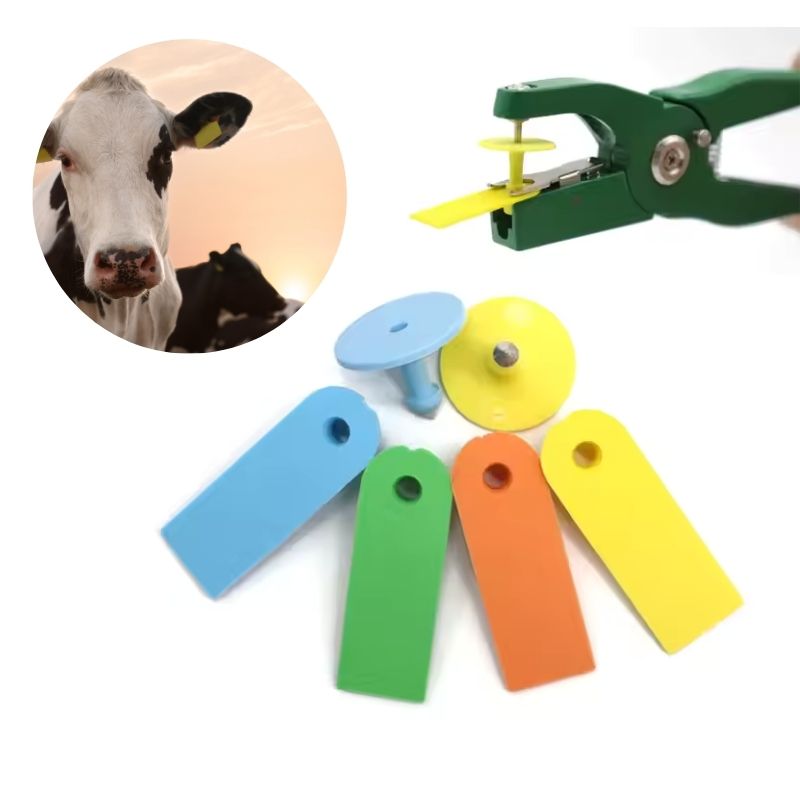
Etichetele pentru urechea porcului sunt mici dispozitive de identificare care sunt atașate la urechea porcului. Acestea sunt utilizate pentru a conferi fiecărui porc o identitate unică, astfel încât acesta să poată fi recunoscut cu ușurință în fermă. Eticheta conține de obicei un număr, un cod sau un cip electronic care stochează un ID.
Există diferite tipuri de crotalii utilizate pentru porci. Toate aceste tipuri de crotalii pentru porci sunt concepute pentru a rămâne în ureche pentru o identificare pe termen lung. Metoda de aplicare a acestora este similară, însă modul în care identificarea este citită și gestionată depinde de tipul de etichetă.
Etichete vizuale din plastic pentru urechi de porc
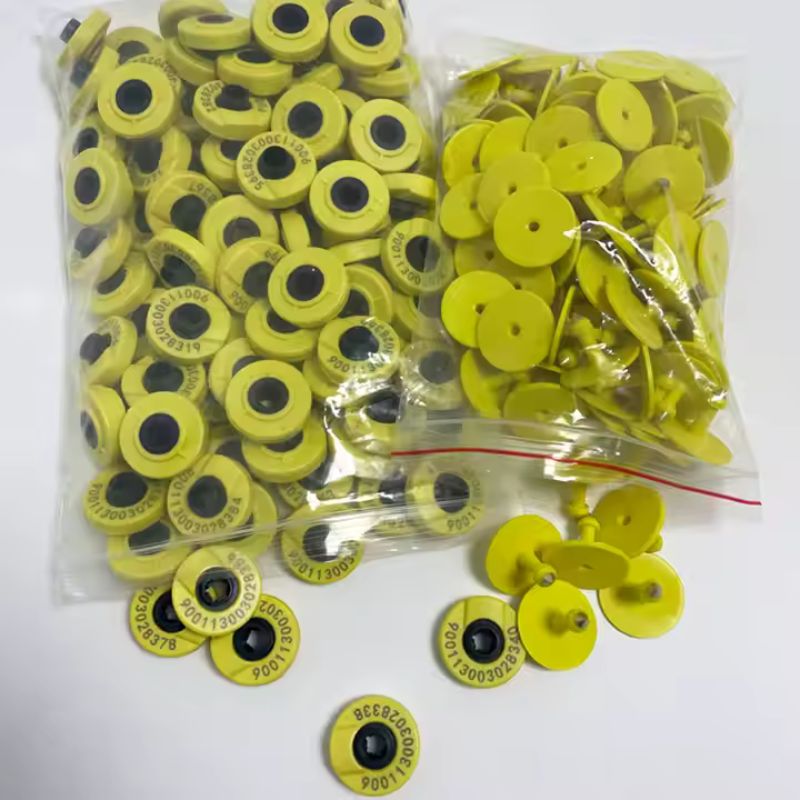
Etichetele auditive vizuale din plastic sunt etichete din plastic cu numere sau coduri imprimate sau marcate cu laser pe suprafață. Informațiile de pe etichetă pot fi citite direct de către oameni, fără niciun echipament.
Aceste etichete sunt utilizate de obicei pentru identificarea de bază, cum ar fi marcarea purceilor, a scroafelor de reproducție sau a grupurilor de porci. Fermierii le folosesc pentru a recunoaște animalele în timpul hrănirii, tratamentului sau sortării.
Etichetele vizuale pentru urechi se potrivesc bine în fermele mici și mijlocii în care înregistrările sunt ținute pe hârtie sau în foi de calcul simple. De asemenea, sunt utilizate în fermele care nu au nevoie de colectarea automată a datelor și care au nevoie doar de o identificare vizuală clară.
Etichete RFID LF pentru urechi pentru porci
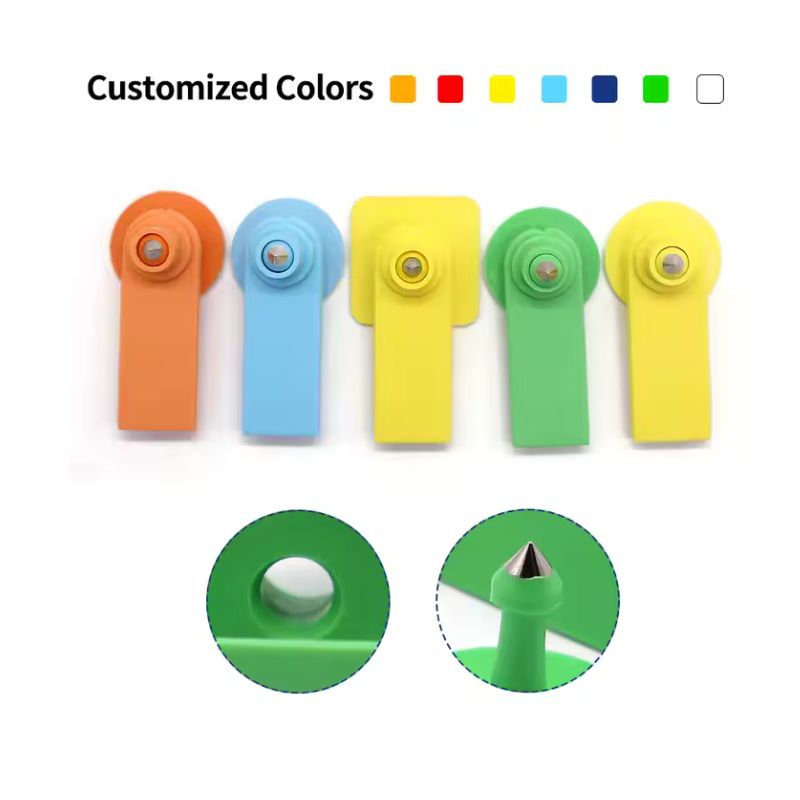
Etichetele RFID LF pentru urechi conțin un cip electronic de joasă frecvență (LF) în interiorul etichetei. Cipul stochează un ID electronic unic care poate fi citit de un cititor portabil sau fix la mică distanță.
Aceste etichete sunt utilizate de obicei pentru identificarea individuală a animalelor și pentru păstrarea înregistrărilor digitale. Acestea sunt comune în fermele de reproducere și în programele de gestionare a sănătății, unde datele fiecărui porc trebuie să fie înregistrate cu exactitate.
Etichetele auriculare RFID LF se potrivesc bine în fermele care utilizează software de gestionare și cititoare portabile. Acestea sunt potrivite pentru sistemele în care porcii sunt scanați unul câte unul, cum ar fi în timpul vaccinării, cântăririi sau controlului circulației.
Etichete RFID UHF pentru urechi pentru porci
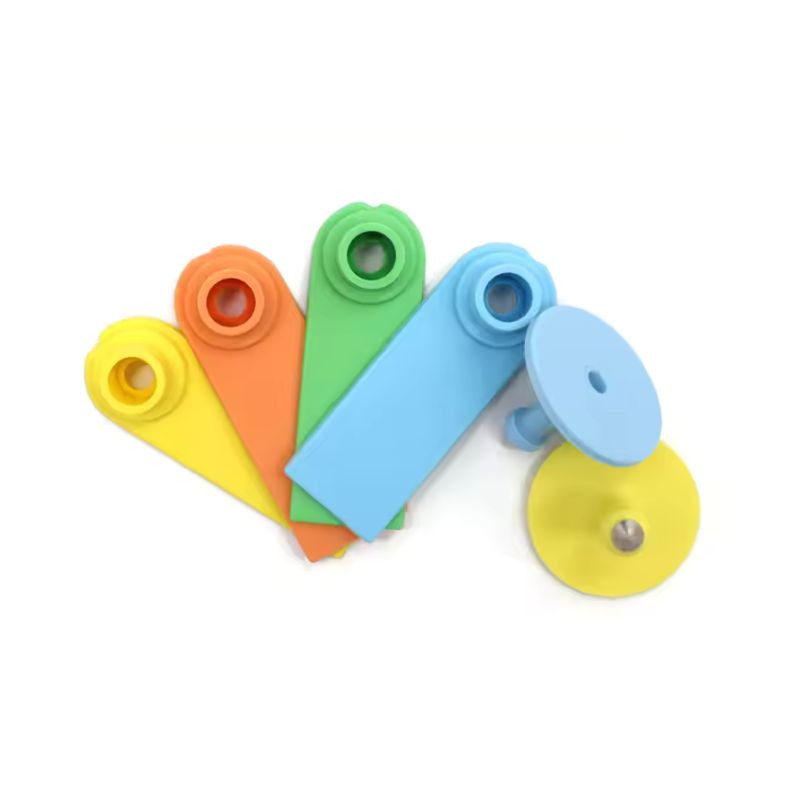
Etichetele RFID UHF pentru urechi conțin un cip de frecvență ultra-înaltă (UHF) care poate fi citit de la o distanță mai mare în comparație cu etichetele LF. Eticheta își trimite ID-ul către un cititor prin unde radio, fără a fi nevoie de contact apropiat.
Aceste etichete sunt utilizate de obicei în sisteme automate, cum ar fi cititoarele, porțile sau stațiile de hrănire. Acestea permit identificarea mai multor porci în același timp, fără a-i opri.
Etichetele auriculare RFID UHF se potrivesc bine în fermele mari și în sistemele de producție industrială. Acestea sunt utilizate în fermele care se bazează pe automatizare și care au nevoie de colectarea rapidă a datelor pentru multe animale în același timp.
Au porcii nevoie de etichete pentru urechi
Da, crotaliile sunt necesare pentru porci, mai ales dacă conduceți o fermă de porci. Iată care sunt motivele practice:
1). Identificarea individuală
O crotalie este cel mai simplu mod de a identifica un porc. Odată aplicată eticheta, lucrătorii pot regăsi același porc a doua zi, săptămâna următoare sau luni mai târziu. Acest lucru este important atunci când aveți mulți porci într-un țarc sau când porcii se mută între țarcuri pe măsură ce cresc. Fără o identificare clară, este ușor să confunzi animalele. Acest lucru poate duce la hrănirea greșită, sortarea greșită sau tratarea porcului greșit. Chiar și într-o fermă mică, greșelile se produc rapid atunci când porcii sunt activi și nu stau locului.
2). Evidența reproducătorilor și a producției
Fermele de reproducție se bazează pe înregistrări corecte. Dacă nu puteți identifica scroafa sau vierul corect, nu puteți păstra date fiabile privind producția. Etichetele auriculare ajută fermele să înregistreze datele de împerechere, datele de fătare, mărimea ieslelor și performanțele purceilor legate de scroafa corectă. În timp, acest lucru ajută fermierii să aleagă animale de reproducție mai bune și să elimine animalele cu performanțe slabe. De asemenea, ajută la gestionarea zilnică, cum ar fi să știe care scroafă are nevoie de o observație mai atentă și care scroafă este pregătită pentru următoarea etapă a ciclului.
3). Urmărirea vaccinării și a tratamentului
Activitatea sanitară depinde de acuratețe. Etichetele auriculare ajută la asigurarea faptului că vaccinurile, deparazitarea și medicamentele sunt înregistrate pentru porcul corect. Acest lucru este important deoarece porcii pot avea nevoie de tratamente diferite la vârste diferite, iar porcii bolnavi pot avea nevoie de urmărire. În cazul în care porcul nu are o identificare fiabilă, lucrătorii ar putea trata același porc de două ori sau ar putea omite complet un alt porc. O urmărire clară contribuie, de asemenea, la reducerea risipei de medicamente și ajută fermele să rămână consecvente cu planul lor de sănătate.
4). Mișcare și trasabilitate
Porcii trec adesea prin diferite etape, cum ar fi pepinieră, creștere și finisare. De asemenea, se pot deplasa de la o fermă la alta sau pot ajunge pe piețe și la abatoare. Etichetele auriculare ajută fermele să țină evidența locului de unde provine un porc și unde a plecat. Acest lucru devine deosebit de important atunci când există o problemă de sănătate. Dacă apare o problemă de sănătate, trasabilitatea ajută fermele și partenerii să verifice ce animale au făcut parte din același grup și ce locuri au fost implicate. Acest lucru este mult mai greu de realizat atunci când porcii nu sunt etichetați.
5). Cerințe privind piețele și abatoarele
În multe lanțuri de aprovizionare, cumpărătorii doresc ca porcii să fie identificați în mod clar. Unele piețe și abatoare solicită identificarea pentru primire, sortare și evidență. Chiar și atunci când nu este o regulă strictă, identificarea clară facilitează adesea procesul și reduce litigiile. O identitate lipsă sau neclară poate duce la întârzieri, verificări suplimentare sau scăderea încrederii cumpărătorului. Pentru fermele care vând în mod regulat, etichetarea corectă devine parte integrantă a desfășurării unor operațiuni curate și organizate.
Cel mai bun moment și cea mai bună vârstă pentru marcarea urechilor la porci
Porcii pot fi crotaliați la vârste diferite, dar momentul afectează ușurința cu care se lucrează și cât de bine rămâne crotalia la locul ei. Urechea devine mai groasă pe măsură ce porcul crește, iar porcii mai în vârstă sunt mai greu de ținut. Alegerea momentului potrivit ajută la reducerea stresului, a sângerării și a pierderii crotaliei.
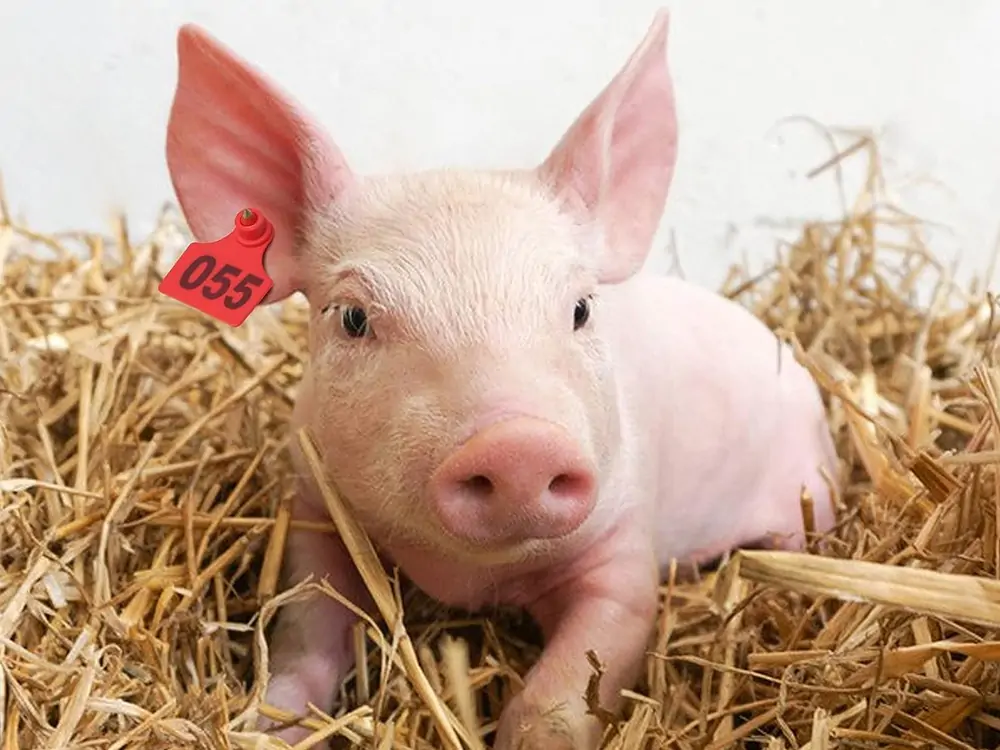
Etichetarea purcelușilor
Purceii sunt de obicei marcați la o vârstă fragedă, adesea în primele câteva săptămâni de viață. În acest stadiu, urechea este subțire și moale, astfel încât este mai ușor de perforat. De asemenea, purceii sunt mai ușor de ținut în brațe și de controlat, ceea ce face mai probabilă plasarea corectă.
Marcarea timpurie a purceilor ajută fermele să înceapă înregistrările de la început. Aceasta permite fermierilor să lege fiecare purceluș de mama sa și să urmărească creșterea și sănătatea de la o vârstă fragedă. Cu toate acestea, eticheta trebuie să fie ușoară și potrivită pentru urechile mici. O etichetă prea mare poate trage de ureche și crește șansele de rupere.
Etichetarea porcilor în creștere
Porcii în creștere pot fi încă marcați pe ureche dacă nu au fost marcați când erau purcei sau dacă o marcă a fost pierdută. La această vârstă, urechea este mai groasă, astfel încât este nevoie de mai multă forță pentru a aplica eticheta. De asemenea, porcul este mai puternic și se mișcă mai mult, astfel încât este importantă o bună imobilizare.
Etichetarea în această etapă este frecventă atunci când porcii sunt grupați, vânduți sau mutați într-o nouă etapă de producție. Riscul de sângerare și infecție este ușor mai mare decât în cazul purceilor, astfel încât curățarea urechii și a uneltelor devine mai importantă.
Marcarea porcilor adulți
Porcii adulți pot fi marcați pe urechi, dar este mai dificil. Urechile lor sunt groase și sunt mai greu de controlat. Dacă este necesară marcarea, aceasta trebuie făcută cu atenție și rapid pentru a evita rănirea atât a porcului, cât și a lucrătorului.
Etichetarea adulților se face, de obicei, atunci când un animal de reproducție este adăugat la turmă sau când o etichetă veche lipsește și trebuie înlocuită. Sunt necesare aplicatoare puternice și o imobilizare corespunzătoare. Trebuie acordată o atenție deosebită plasării, deoarece o etichetă prost plasată pe un porc adult este mai susceptibilă de a cauza probleme pe termen lung.
Cum să etichetezi porcii la ureche
Etichetarea urechilor pare ușoară, dar dacă o faceți greșit puteți provoca sângerări, infecții, urechi rupte sau pierderea etichetelor. Procedarea corectă durează puțin timp, dar fiecare pas contează. Scopul este simplu. Puneți eticheta în locul corect. Păstrați urechea curată. Finalizați rapid și calm operațiunea.
Anatomia urechii de porc și plasarea corectă
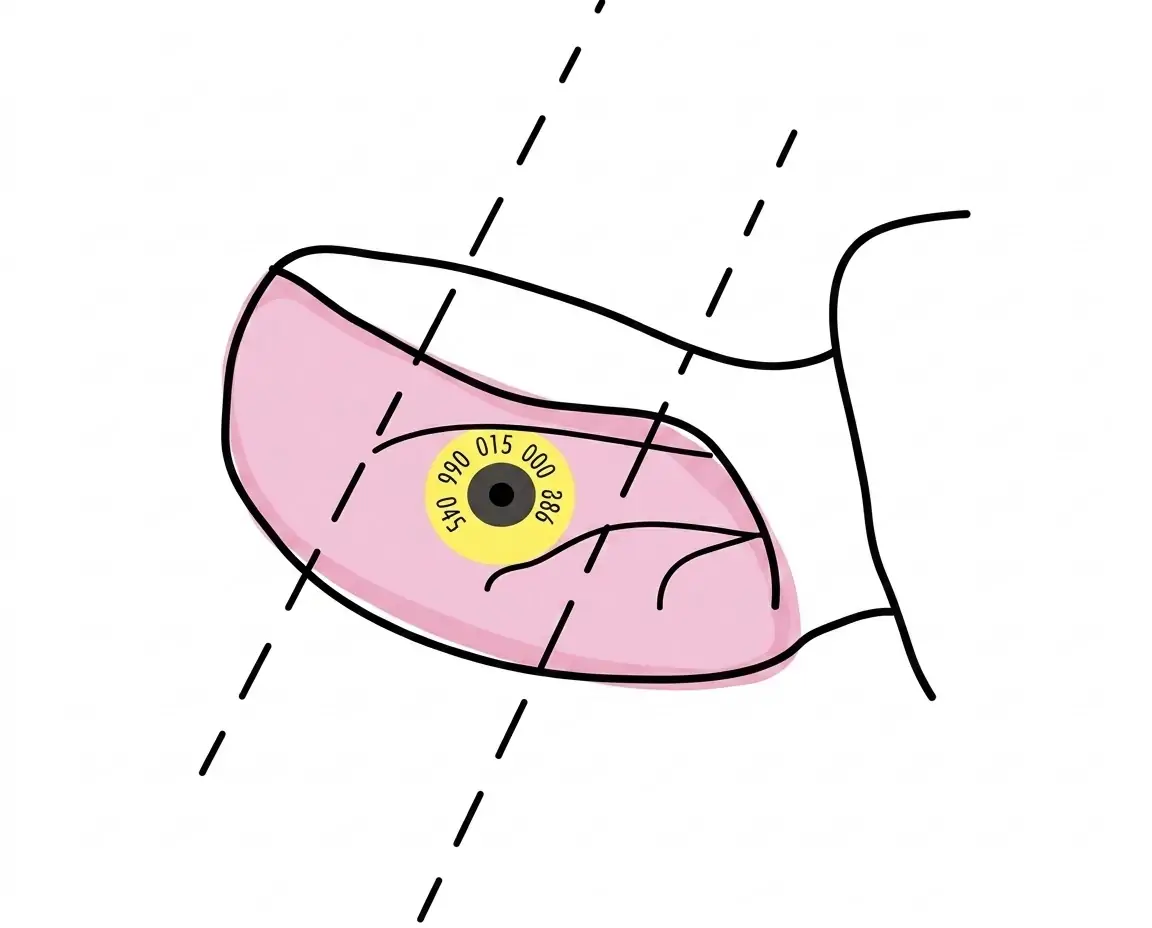
O ureche de porc are cartilaj, piele și vase de sânge. Unele părți sângerează mai mult decât altele. Marginea urechii este, de asemenea, mai ușor de rupt, în special atunci când porcii se freacă de garduri sau când un alt porc mușcă eticheta.
Cea mai bună zonă de plasare este partea mijlocie a urechii.
Încearcă să rămâi:
- Departe de marginea groasă a urechii
- Departe de baza urechii, unde țesutul este mai gros
- Departe de venele mari vizibile
Dacă puteți vedea o linie venoasă puternică, nu o străpungeți. Alegeți o zonă liberă lângă ea.
Elemente de bază pentru plasare care ajută la păstrarea etichetelor:
- Plasați eticheta suficient de departe de margine, astfel încât urechea să nu se rupă ușor.
- Nu îl așezați atât de aproape de cap încât să se frece tot timpul.
- Asigurați-vă că cele două părți ale plăcuței se așează pe ambele părți ale urechii.
Dacă ferma dvs. utilizează etichete duble, păstrați-le la distanță. Nu le stivuiți prea aproape una de cealaltă. Găurile aglomerate slăbesc urechea.
Instrumente și materiale
Aveți nevoie de câteva elemente de bază. Uneltele bune fac întotdeauna o mare diferență.
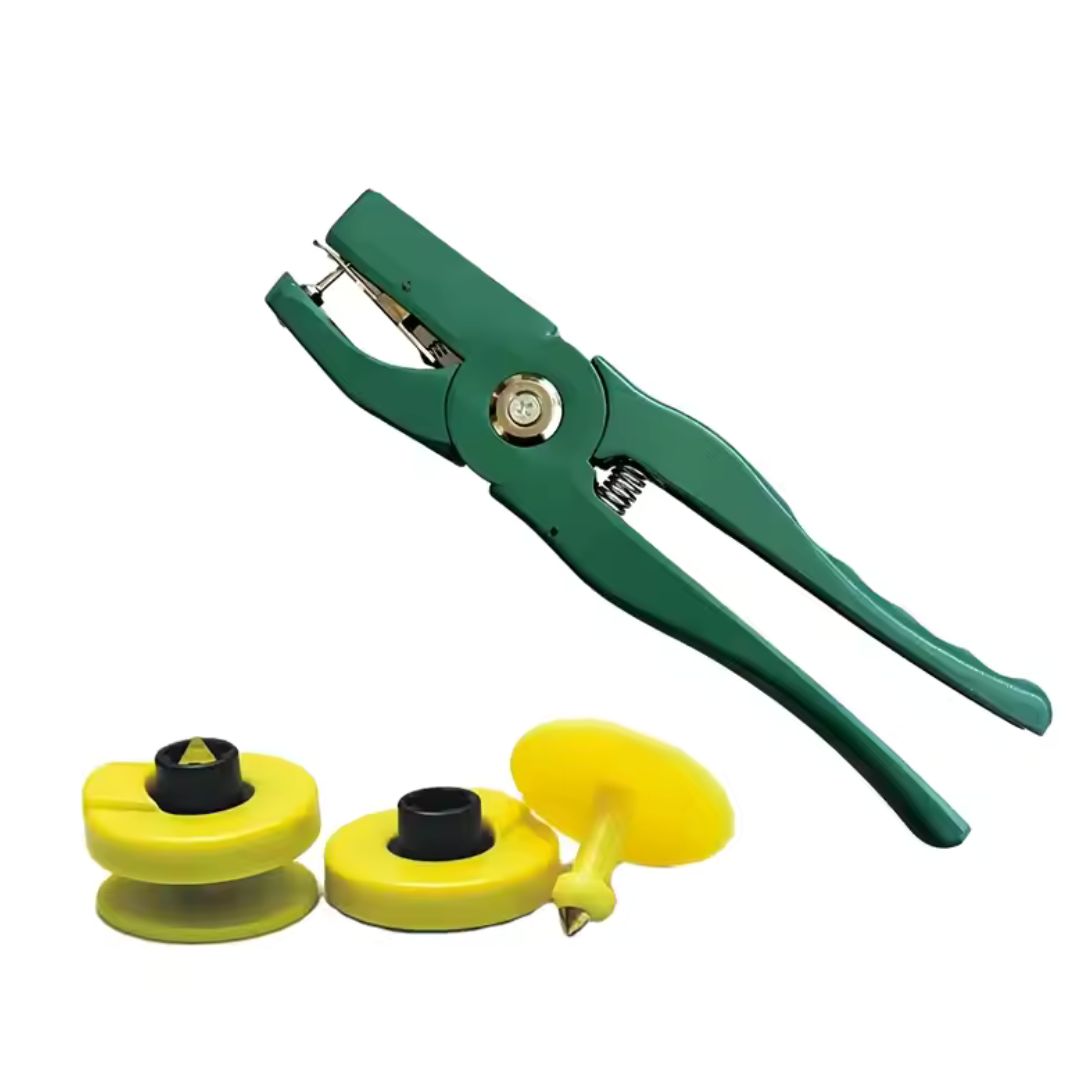
Unelte obligatorii:
- Etichete pentru urechile porcilor (vizuale, RFID LF sau RFID UHF)
- Un aplicator de etichete corespunzător (modelul potrivit pentru eticheta dvs.)
- Dezinfectant pentru urechi și unelte (de obicei pe bază de iod sau alcool)
- Mănuși curate
- Pânză curată sau prosoape de hârtie
Instrumente utile pentru constrângere:
- Metoda de ținere a purceilor sau o cutie mică pentru purcei
- Tablă pentru porci pentru porci mai mari
- Grătar sau ladă de manipulare pentru porci adulți, dacă sunt utilizate în ferma dumneavoastră
Dacă utilizați etichete RFID:
- Cititor RFID (portabil sau fix, în funcție de sistem)
- O modalitate simplă de a confirma că ID-ul este înregistrat corect
Utilizați aplicatorul corect pentru stilul de etichetă. Etichetele vizuale din plastic pentru urechi au nevoie de un aplicator standard pentru etichete din plastic care să corespundă formei știftului și închiderii. Etichetele auriculare RFID LF trebuie aplicate cu un aplicator conceput pentru corpurile etichetelor RFID, astfel încât știftul să apese drept și să nu deterioreze cipul din interior. Etichetele RFID UHF pentru urechi au, de obicei, o formă diferită și necesită un aplicator specific pentru UHF, care să țină eticheta ferm și să împiedice îndoirea antenei.
Nu forțați o etichetă într-un aplicator care nu se potrivește. Un aplicator greșit poate face ca acul să intre într-un unghi, să deterioreze eticheta sau cipul și să creeze o gaură slabă în ureche, ceea ce crește sângerarea și pierderea etichetei.
Pregătire
O bună pregătire economisește timp și previne problemele. Aici contează cel mai mult igiena și controlul stresului animalelor.
1) Pregătirea zonei de lucru
Alegeți un loc calm. Evitați zgomotele puternice și podelele alunecoase. Păstrați instrumentele de etichetare curate și la îndemână. Dacă porcul se zbate, nu doriți să vă opriți și să căutați obiecte.
2) Rețineți porcul în siguranță
Porcul trebuie să rămână nemișcat timp de câteva secunde pentru etichetare.
- Pentru purcei, țineți porcul ferm, dar ușor. Controlați capul și corpul astfel încât urechea să rămână nemișcată.
- Pentru porcii în creștere, utilizați o placă pentru porci pentru a ghida și limita mișcarea.
- Pentru porcii adulți, utilizați metoda de imobilizare pe care ferma dvs. este instruită să o folosească. Adulții sunt puternici. Siguranța lucrătorilor contează.
3) Curățați și dezinfectați
Ștergeți mai întâi murdăria de pe ureche. Apoi dezinfectați locul unde a fost marcată urechea.
De asemenea, dezinfectați vârful aplicatorului și zona acului. Dacă etichetați mulți porci, dezinfectați în mod regulat în timpul sesiunii. Uneltele murdare răspândesc germeni de la porc la porc.
4) Verificați eticheta și aplicatorul înainte de piercing
Asigurați-vă că:
- Părțile masculine și feminine se potrivesc
- Eticheta este încărcată în direcția corectă
- Axul este ascuțit și nu este îndoit
- Piesele de blocare sunt aliniate
Dacă utilizați etichete RFID, puteți scana eticheta înainte de a o aplica. Acest lucru vă ajută să confirmați că eticheta este lizibilă și că ID-ul este corect.
Procedura de marcare a urechilor de porc
Acum aplicați eticheta. Cheia este alinierea corectă și o acțiune lină.
Pasul 1: Alegeți punctul exact
Utilizați regulile de plasare despre care am vorbit mai devreme. Evitați venele. Nu mergeți prea aproape de margine.
Pasul 2: Aliniați aplicatorul
Țineți urechea plată. Țineți aplicatorul drept. Dacă unghiul este greșit, gaura se poate rupe mai mare și vindecarea va fi mai lentă.
Pasul 3: Perforați rapid și ferm
Strângeți aplicatorul cu o singură mișcare fermă. Nu apăsați încet. O apăsare lentă poate strivi țesutul și provoca mai multă durere.
Pasul 4: Verificați încuietoarea
Deschideți aplicatorul și verificați dacă eticheta este complet închisă și blocată. Eticheta nu trebuie să fie atașată pe jumătate. Acesta trebuie să stea plat pe ambele părți ale urechii.
Pasul 5: Dezinfectați din nou
Aplicați dezinfectant în zona piercingului. Acesta este un pas simplu, dar ajută la reducerea riscului de infecție.
Ce trebuie să urmăriți imediat
- O cantitate mică de sânge poate fi normală, mai ales dacă urechea este mai groasă.
- Sângerarea abundentă înseamnă că probabil ați lovit un vas sau l-ați plasat într-un loc nepotrivit.
- Dacă urechea se rupe în timpul marcării, opriți-vă și tratați mai întâi rana.
Dacă porcul este într-un grup, urmăriți ceilalți porci. Uneori aceștia mușcă sau trag de o etichetă proaspătă. Acest lucru poate cauza pierderea timpurie a etichetei.
Asistență ulterioară și monitorizare
Îngrijirea ulterioară nu trebuie să fie complicată, dar trebuie să fie reală. O verificare rapidă previne probleme mai mari.
Semne normale după etichetare:
- Roșeață ușoară în jurul găurii
- O mică crustă se formează în următoarele zile
- Porcul poate scutura scurt din cap
Semne de avertizare:
- Umflături care se agravează
- Puroi sau miros urât
- Porcul se scarpină mult la ureche
- Urechea pare fierbinte, foarte roșie sau dureroasă
Dacă observați semne de avertizare, curățați zona și aplicați dezinfectant. Urmați regulile de îngrijire a animalelor din ferma dumneavoastră pentru tratament. Dacă eticheta provoacă iritații constante sau urechea este grav infectată, este posibil să fie necesară îndepărtarea și înlocuirea ulterioară a etichetei.
De asemenea, verificați dacă eticheta nu este prea strânsă de țesutul urechii. O plăcuță montată corect trebuie să permită mișcarea normală a urechii fără a o ciupi.
Cum să re-etichetați porcii dacă etichetele sunt pierdute sau rupte
Etichetele pot cădea. De asemenea, acestea se pot rupe, degenera sau rupe. Atunci când se întâmplă acest lucru, porcul trebuie să aibă în continuare o identitate clară. Reetichetarea rezolvă problema, dar trebuie făcută cu atenție. Noua etichetă trebuie plasată într-un loc sigur, iar registrul fermei trebuie actualizat astfel încât istoricul porcului să rămână corect.
Cum să re-etichetați un porc
Reetichetarea este similară cu prima etichetare, dar trebuie să acordați o atenție sporită găurii vechi și stării urechii.
Pasul 1: Identificați corect porcul înainte de etichetare
Acest lucru pare evident, dar este cel mai important pas. Dacă re-etichetați porcul greșit, întregul sistem de înregistrare devine nesigur. Folosiți mai întâi metoda de la fermă pentru a confirma identitatea, cum ar fi poziția în țarc, semnele de rezervă, înregistrările de grup sau ultimul număr de etichetă cunoscut în țarc.
Pasul 2: Verificați urechea și alegeți cea mai bună ureche de utilizat
Căutați găuri vechi, rupturi, umflături și cruste. Dacă o ureche este deteriorată, folosiți cealaltă ureche, dacă este posibil. Dacă ambele urechi au găuri vechi, alegeți partea mai sănătoasă.
Pasul 3: Nu treceți eticheta printr-o gaură veche
Găurile vechi sunt puncte slabe. Etichetarea prin aceeași gaură face ca ruperea să fie mai probabilă. De asemenea, crește riscul de infecție dacă zona nu este complet vindecată. Alegeți o poziție nouă în zona de siguranță corectă, nu prea aproape de margine și nu prea aproape de cap.
De asemenea, noua etichetă trebuie să fie suficient de departe de gaura veche, astfel încât să existe un țesut puternic între ele. Acest lucru reduce ruperea și ajută urechea să rețină noua etichetă pe termen lung.
Pasul 4: Curățați mai atent decât de obicei
Rănile vechi pot conține murdărie și bacterii. Ștergeți mai întâi murdăria, apoi dezinfectați zona. De asemenea, dezinfectați aplicatorul. Reetichetarea se întâmplă adesea la porcii mai în vârstă, iar urechile mai în vârstă pot sângera mai mult dacă atingeți un vas.
Pasul 5: Aplicați noua etichetă și verificați-o
Etichetați rapid și ferm, apoi verificați dacă încuietoarea este complet închisă. Dacă este o etichetă RFID, scanați-o imediat. Acest lucru confirmă că cipul funcționează și că ID-ul este capturat corect.
Pasul 6: Urmăriți porcul după re-etichetare
Dacă un porc a pierdut deja o etichetă, este posibil să se afle într-o situație în care se freacă sau mușcă. Urmăriți dacă alți porci trag mai devreme. Dacă este necesar, ajustați gestionarea pentru a reduce deteriorarea etichetei.

Reetichetarea afectează înregistrările anterioare
Reetichetarea nu șterge istoricul porcului, dar poate crea confuzie dacă nu actualizați corect înregistrările. Cheia este simplă. Porcul rămâne același. Doar ID-ul etichetei se schimbă.
ID-ul vechi și ID-ul nou trebuie să fie legate
Atunci când re-etichetați, notați noul ID al etichetei și conectați-l la înregistrarea existentă a porcului. Dacă nu le legați, va părea că vechiul porc a dispărut și a apărut un porc nou. Acest lucru încalcă trasabilitatea.
Actualizarea imediată a înregistrării
Dacă este posibil, nu așteptați până la sfârșitul zilei. Cu cât așteptați mai mult, cu atât este mai ușor să uitați care porc a fost re-etichetat. Actualizați sistemul fermei sau registrul pe hârtie în timp ce porcul este încă confirmat.
Înregistrați motivul și data
Scrieți un motiv scurt, cum ar fi eticheta pierdută, eticheta ilizibilă, eticheta ruptă sau urechea deteriorată. De asemenea, înregistrați data re-etichetării. Acest lucru va fi util mai târziu, atunci când veți analiza ratele de pierdere a etichetelor și condițiile din stilou.
Pentru fermele RFID, confirmați că noul ID este în sistem
Scanați eticheta și asigurați-vă că cititorul sau software-ul afișează corect noul ID. Dacă sistemul dvs. permite acest lucru, adăugați o notă care să indice că acest nou ID înlocuiește vechiul ID. Astfel, istoricul complet rămâne conectat.
Cum să alegeți eticheta RFID pentru urechi potrivită pentru porci
Alegerea unei crotalii RFID nu înseamnă doar alegerea unei bucăți de plastic. Eticheta va rămâne pe porc timp de luni de zile, uneori pe durata întregului ciclu de producție. Aceasta va fi frecată, mușcată și acoperită cu murdărie. Va fi scanată de multe ori. O alegere bună reduce pierderea etichetei și problemele de citire și are o durată lungă de viață.
Materialul și flexibilitatea etichetei
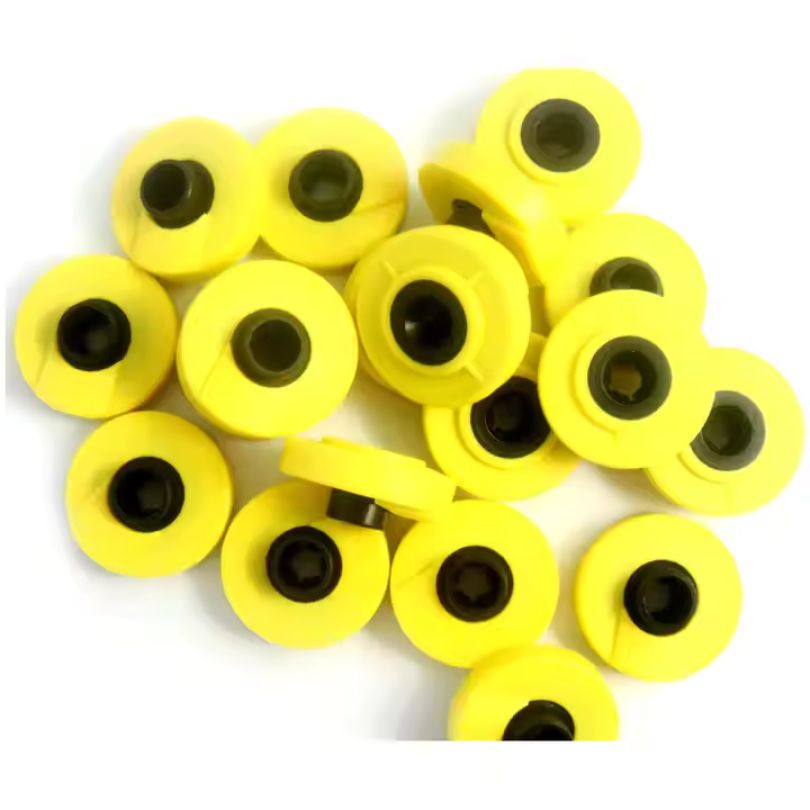
Materialul corpului etichetei afectează atât sănătatea urechii, cât și durata de viață a etichetei. În crescătoriile de porci, etichetele se lovesc de bare metalice, de hrănitoare și de pereții cotețelor. O crotalie prea rigidă poate crăpa sub această presiune. O etichetă prea moale se poate îndoi prea mult și poate întinde gaura din ureche.
Un corp de etichetă adecvat ar trebui să se îndoaie ușor atunci când se aplică presiune și apoi să revină la forma sa inițială. Acest lucru îl ajută să absoarbă impactul fără a se rupe și reduce tragerea pe termen lung asupra urechii. Suprafața trebuie să fie netedă, fără margini ascuțite. Marginile ascuțite cresc iritarea și încetinesc vindecarea.
Greutatea contează, de asemenea. Urechile purceilor sunt subțiri și ușoare. Etichetele grele pot trage urechea în jos și pot face ca ruperea să fie mai probabilă pe măsură ce porcul crește. Pentru porcii adulți, corpul trebuie să fie încă suficient de puternic pentru a-și păstra forma în timpul mișcărilor zilnice.
Design de retenție
Reținerea depinde de pin și de sistemul de blocare. Acesta este cel care menține eticheta în ureche.
Un știft bine conceput trece curat prin ureche și se fixează complet în partea femelă. După etichetare, cele două părți trebuie să stea pe fiecare parte a urechii. Eticheta nu trebuie să se încline sau să atârne liber. O etichetă care se înclină prea mult pune presiune pe orificiu și crește gradul de rupere în timp.
Sistemul de închidere trebuie să se închidă cu o potrivire clară. Nu trebuie să se bazeze doar pe o presiune slabă. În același timp, nu ar trebui să strângă bine urechea. Prea multă presiune blochează fluxul sanguin și provoacă umflături, ceea ce duce la zgârieturi și la mai multă mișcare a plăcuței.
Forma afectează, de asemenea, retenția. Corpurile mari și late sunt mai ușor de mușcat sau de agățat de garduri de către porci. O formă mai compactă reduce aceste riscuri și, de obicei, îmbunătățește durata de menținere a etichetei.
Performanța RFID și potrivirea cipurilor
Performanțele RFID trebuie să corespundă modului de funcționare a fermei. Tipul de cip și metoda de citire trebuie să fie compatibile cu cititoarele deja utilizate.
Etichetele LF sunt concepute pentru citirea la mică distanță. Acestea se potrivesc fermelor în care porcii sunt scanați unul câte unul în timpul manipulării sau tratamentului. Etichetele UHF sunt concepute pentru citirea la distanțe mai mari și pot fi utilizate atunci când porcii trec prin porți sau curse înguste.
Dincolo de frecvență, contează stabilitatea. Grajdurile de porci sunt umede. Există echipamente metalice. Porcii se mișcă repede și întorc capul. Eticheta trebuie să poată fi citită în aceste condiții. O etichetă care se citește bine doar atunci când este ținută nemișcată în spațiu deschis va cauza probleme în utilizarea zilnică.
Este util să vă gândiți la locul în care va avea loc scanarea. Porcii vor fi scanați într-o ladă, într-o cursă sau într-un țarc deschis. Eticheta trebuie aleasă în funcție de această situație reală, nu numai în funcție de intervalul de citire declarat.
Imprimare și marcare
Chiar și atunci când se utilizează RFID, marcarea vizuală este în continuare importantă. Lucrătorii se uită adesea la etichetă înainte să o scaneze. Numărul sau codul trebuie să fie ușor de văzut fără a se apropia prea mult.
Marcajul trebuie să rămână clar după frecare și spălare. Dimensiunea caracterelor trebuie să corespundă distanței de lucru. Cifrele foarte mici devin inutile la porcii în mișcare. Amplasarea pe corpul etichetei este, de asemenea, importantă. Numerele imprimate prea aproape de margine se uzează mai repede.
Pentru fermele cu multe grupuri, formatul în culori și numere ajută la reducerea greșelilor. Un sistem clar face ca sortarea și tratarea să fie mai rapide și evită confuzia între stilouri.
Consistența calității
Consecvența este adesea neglijată. Fermele cumpără etichete în loturi de-a lungul timpului. Dacă un lot se blochează bine, iar un alt lot se simte slăbit, lucrătorii își pierd încrederea și etichetarea devine mai lentă.
O bună coerență înseamnă că dimensiunea acului, potrivirea lacătului și forma corpului rămân aceleași de la o comandă la alta. De asemenea, înseamnă că partea RFID din interiorul etichetei este bine protejată și asamblată în același mod de fiecare dată. Un cip deteriorat în timpul producției poate funcționa la început și apoi să se defecteze mai târziu, ceea ce este mai greu de observat decât o piesă de plastic spartă.
Pentru proiectele pe termen lung, producția stabilă contează la fel de mult ca designul.
Personalizare pentru utilizarea în ferme
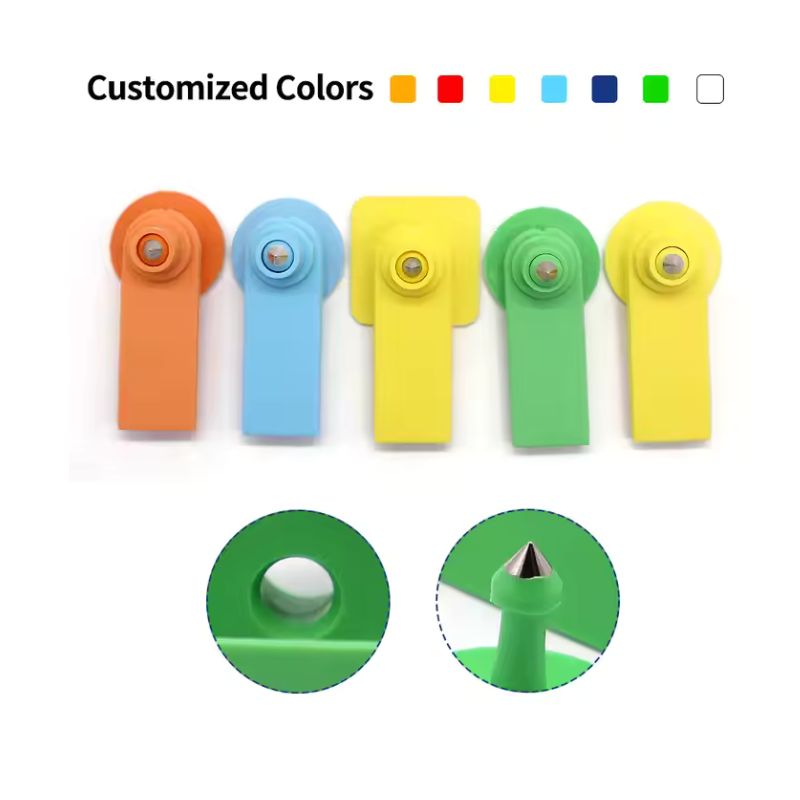
Multe ferme au nevoie de etichete care să corespundă propriului lor sistem. Poate fi vorba despre o gamă specifică de numere, un cod de fermă sau o culoare pentru fiecare etapă de producție. Acestea nu sunt alegeri cosmetice. Ele ajută lucrătorii să recunoască rapid animalele și să păstreze grupurile separate.
De asemenea, unele ferme au nevoie de tipuri specifice de cipuri sau formate de date care să se potrivească cu software-ul lor. Etichetele trebuie alese ținând cont de acest lucru de la început, nu adaptate ulterior.
Acestea sunt punctele-cheie pe care fermele le iau de obicei în considerare atunci când aleg etichetele RFID pentru urechi. Dacă doriți să economisiți timp cu testele și comparațiile, suntem exact producătorul care construiește etichete RFID pentru urechi în funcție de aceste cerințe și oferă, de asemenea, cititoare de cipuri RFID potrivite pentru sistemele de identificare a porcilor.
Întrebări frecvente
Î: Etichetarea urechilor rănește porcii
Etichetarea urechii provoacă o durere scurtă și rapidă, asemănătoare unei injecții de vaccinare. De obicei, porcul reacționează timp de câteva secunde și apoi se calmează. Atunci când marcajul este plasat în zona corectă și aplicat rapid, urechea se vindecă bine. Cele mai multe probleme apar din cauza plasării greșite, a uneltelor murdare sau a perforării lente, nu din cauza crotaliei în sine.
Î: Porcii își pot pierde crotaliile
Da, porcii pot pierde crotaliile. Acest lucru se întâmplă, de obicei, atunci când eticheta este plasată prea aproape de marginea urechii, când sistemul de închidere este slab sau când porcii se freacă și se mușcă între ei în țarcuri aglomerate. De asemenea, pierderea etichetei este mai frecventă dacă gaura devine prea mare sau dacă urechea se rupe. Plasarea corectă și o bună calitate a etichetei reduc acest risc.
Î: Etichetele RFID pentru urechi pot fi reutilizate
Nu, etichetele RFID pentru urechi nu trebuie reutilizate. Odată ce o etichetă a fost aplicată și îndepărtată, partea de blocare este deteriorată. Reutilizarea acesteia poate cauza retenție slabă și infecție. Cipul din interior poate funcționa în continuare, dar corpul etichetei nu mai este sigur pentru reaplicare. Pentru o identificare fiabilă, trebuie utilizată întotdeauna o etichetă nouă.
Î: Ce ar trebui să fac dacă o ureche de porc se rupe
Dacă ruptura este mică, curățați zona și dezinfectați-o. Nu puneți o nouă crotalie prin zona deteriorată. Așteptați până când urechea se vindecă și apoi aplicați eticheta într-o poziție sănătoasă. În cazul în care ruptura este mare sau infectată, îndepărtați eticheta și tratați rana în conformitate cu normele sanitare ale fermei înainte de a re-eticheta.
Î: Porcii pot fi marcați la ureche în vreme rece sau caldă
Da, porcii pot fi crotaliați în diferite anotimpuri, dar este nevoie de o atenție sporită. În anotimpul rece, urechile pot fi mai rigide și pot sângera mai ușor, astfel încât o bună poziționare și aplicatoare ascuțite sunt importante. În vreme caldă, murdăria și muștele cresc riscul de infecție, astfel încât curățarea și dezinfecția devin mai importante. Vremea nu oprește marcarea, dar influențează cât de atent trebuie să fiți.
Î: Cât timp durează o etichetă RFID pentru ureche
Cipul din interiorul unei etichete RFID pentru ureche este proiectat să reziste mulți ani. În practică, durata de viață a etichetei este limitată de ureche și de mediu, nu de cip. Frecarea, mușcătura și deteriorarea urechii decid, de obicei, cât timp rămâne eticheta la locul ei. Cu o plasare corectă și un design bun al etichetei, o etichetă RFID pentru ureche poate dura un ciclu complet de producție.
De ce JIA Tech este un producător de încredere de etichete RFID pentru urechi și cititoare de cipuri pentru animale

JIA Tech este specializată în producția de crotalii RFID pentru urechi și cititoare RFID pentru animale pentru identificarea animalelor și sistemele de gestionare a sănătății. Produsele noastre sunt concepute pentru a respecta standardele ISO și pentru a susține utilizarea pe termen lung în condiții reale de fermă. Cu o codificare stabilă a cipurilor, o calitate constantă a producției și sprijin pentru programele de trasabilitate a animalelor, JIA Tech oferă soluții fiabile de identificare pentru bovine, ovine, caprine și porcine. Lucrăm direct cu fermele, integratorii de sisteme și programele de creștere a animalelor pentru a furniza dispozitive RFID care funcționează în mod constant în mediul de teren și se integrează fără probleme cu cititoarele și sistemele de baze de date existente.
Căutați un furnizor de încredere sau o ofertă de preț pentru proiectul dumneavoastră? Contactați JIA Tech acum pentru a discuta cerințele dvs. privind etichetele RFID pentru urechi și cititoarele de cipuri pentru animale.